
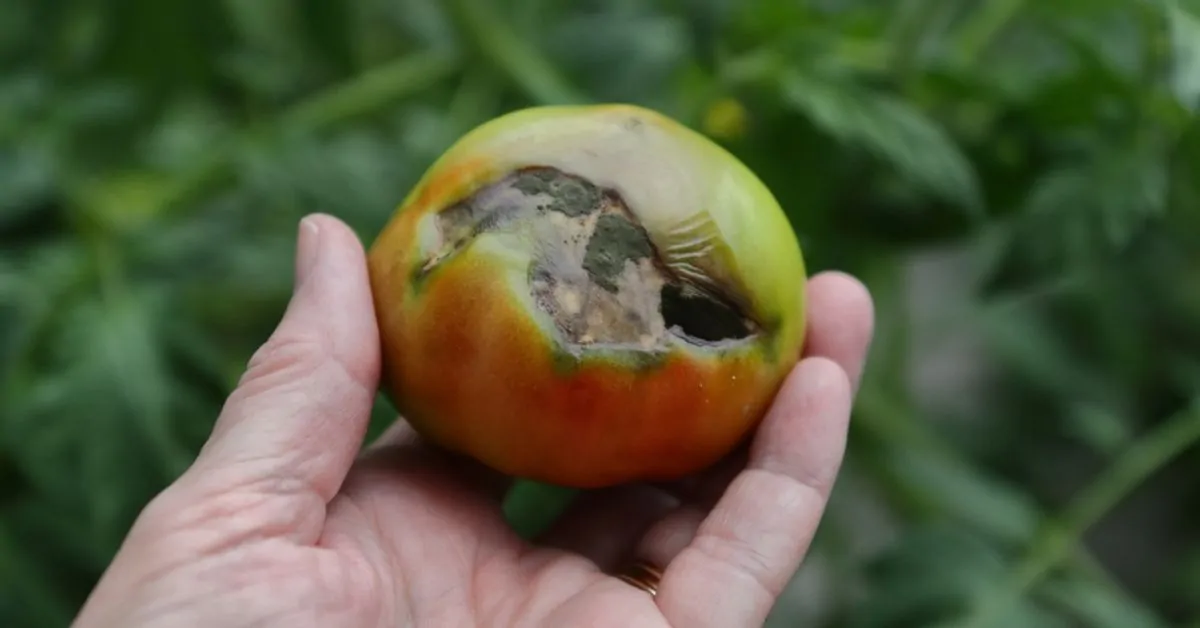
Tomatoes, a staple in the home garden, bring color and flavor to our yards and kitchens. These delicious fruits can, however, be affected by various diseases, including blossom-end rot, or apical necrosis. This condition causes darkening and hardening of the fruit’s lower end, giving it a blackened appearance, hence the name. So, what should you do when tomatoes succumb to this disease? Understanding the cause, then implementing prevention and treatment strategies is key.
Why does blossom-end rot happen on tomatoes?
Blossom-end rot is actually more of a physiological disorder than a disease caused by bacteria, viruses, or fungi. It is typically triggered by an imbalance between water uptake and the plant’s calcium supply. Tomatoes rely on an adequate amount of calcium to build their cell structure. An irregular watering pattern can prevent calcium from reaching the fruit’s end, leading to blossom-end rot.
How to prevent blossom-end rot, or apical necrosis?
Water regularly
The best way to prevent blossom-end rot is to maintain regular, deep watering. Indeed, irregular watering patterns—such as letting the soil dry out and then watering heavily—can cause fluctuations in the plant’s ability to absorb and transport calcium to the fruit. Tomatoes require a steady supply of water to support a good balance between fruit growth and nutrient uptake. Water should be applied regularly and evenly, ideally in the early morning to minimize rapid evaporation. In dry weather, an organic mulch around tomato plants can help conserve soil moisture.
Maintain good soil nutrition
Calcium is an essential element for tomato growth. Make sure your soil contains enough calcium to help the fruit develop properly. Soil tests can help determine calcium levels. If the soil is deficient, you can improve calcium levels by adding lime, crushed eggshells, or calcium supplements. Additionally, well-drained soil rich in organic matter supports better calcium uptake by plant roots.
Choose tomato varieties with greater disease resistance
When selecting tomato plants, opt for varieties known for their resistance to blossom-end rot. Some tomato varieties are more resistant to this condition than others. For example, determinate (bush) varieties tend to be more resistant than indeterminate (vining) varieties. Check with your local garden center or online resources to find varieties known for resistance to this issue. Selecting these tomato varieties can greatly help minimize the incidence of blossom-end rot in your garden.
Avoid stressing your tomato plants
Plant stress, such as extreme temperatures, can make tomatoes more susceptible to blossom-end rot. Try to keep temperatures steady around your tomato plants, especially at night. A row cover or cold frame can help shield tomatoes from temperature swings. Also avoid planting tomatoes too early in spring, as cold can slow growth and disrupt calcium uptake.
Be mindful when transplanting
If you start your tomatoes indoors and then transplant them outside, do so gently to minimize shock. Tomato seedlings are sensitive to sudden environmental changes, which can stress the plants and increase their susceptibility to blossom-end rot.
Monitor soil pH
A proper soil pH (about 6.5 to 7.0 for tomatoes) promotes the availability and uptake of calcium by the plants. Too high or too low pH can limit calcium absorption, even if the nutrient is present in sufficient quantities. Use soil testing kits to determine your soil pH and adjust as needed.
How to treat tomatoes that have blossom-end rot?
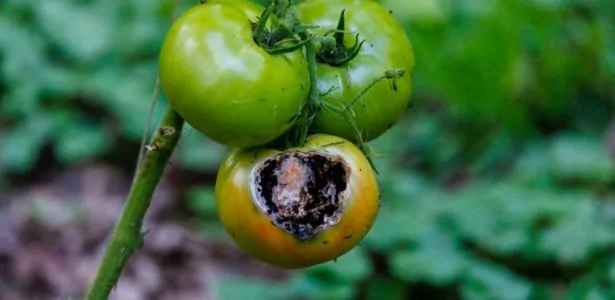
Remove the affected fruits
As soon as you notice blossom-end rot symptoms, act quickly. Remove the affected fruits to help prevent the disease from spreading to other fruits on the same plant and to redirect the plant’s energy toward producing new healthy fruit. Be sure not to place these fruits in the compost to avoid potential spread. It’s important to note that blossom-end rot is not a contagious disease, but rather a physiological disorder. Nevertheless, removing affected fruits contributes to the overall health of the plant.
Practice good crop rotation
Crop rotation is an important management practice that can help prevent calcium deficiency issues. By rotating tomatoes with crops that have different nutritional needs or that improve soil calcium availability, such as legumes, you can help maintain a healthy, balanced soil.
Encourage good air circulation
A well-ventilated garden supports overall plant health and nutrient distribution. Tomato plants should be spaced properly to allow adequate air flow. Regular pruning of tomato plants can also promote good air circulation, reduce plant stress, and minimize the appearance of blossom-end rot.
Adapt your gardening to the climate
Extreme temperatures and rapid temperature swings can stress tomato plants and contribute to blossom-end rot. Try to tailor your gardening to the climate. For example, during heat waves, providing extra shade can help regulate temperature and reduce plant stress.
By putting these prevention strategies into practice, you greatly increase the chances of a successful tomato harvest. Remember that the key lies in regular observation and early intervention to prevent blossom-end rot in tomatoes. Happy gardening!
Read also
Tomatoes: foolproof tips to beat late blight