
Recently published, a study conducted by SCSChauffeur examined tourist cities where traveling can become particularly taxing. By aggregating several environmental and safety indicators, the authors established a global ranking of the world’s most stressful urban destinations. And while some capitals naturally appear on this list, other popular tourist cities surprise with their position.
Tourist Cities: When the Urban Environment Takes a Toll on Travel
To build its ranking, SCSChauffeur analyzed four major criteria: crime, air pollution, traffic congestion, and weather conditions, notably humidity. These data were combined into a “Stressful City Score,” intended to measure the daily impact of the environment on well-being. Yet in some tourist cities, traveling means dealing with several factors simultaneously. At the top of the list is Cape Town, South Africa, according to the Daily Mail. The metropolis shows a road congestion rate of 36% and an average humidity of 75%, significant levels added to high crime.
British authorities have also recently warned visitors. “There have been assaults and violent crimes on secondary roads to and from Cape Town International Airport,” warned the Foreign, Commonwealth & Development Office in an official update and reports cited by the Geo site. This alert underscores that, in some tourist cities, traveling isn’t just about admiring iconic landscapes like Table Mountain, but also about staying vigilant in the face of real risks.
Tourist Cities in Asia and Africa: Pollution and Insecurity Front and Center
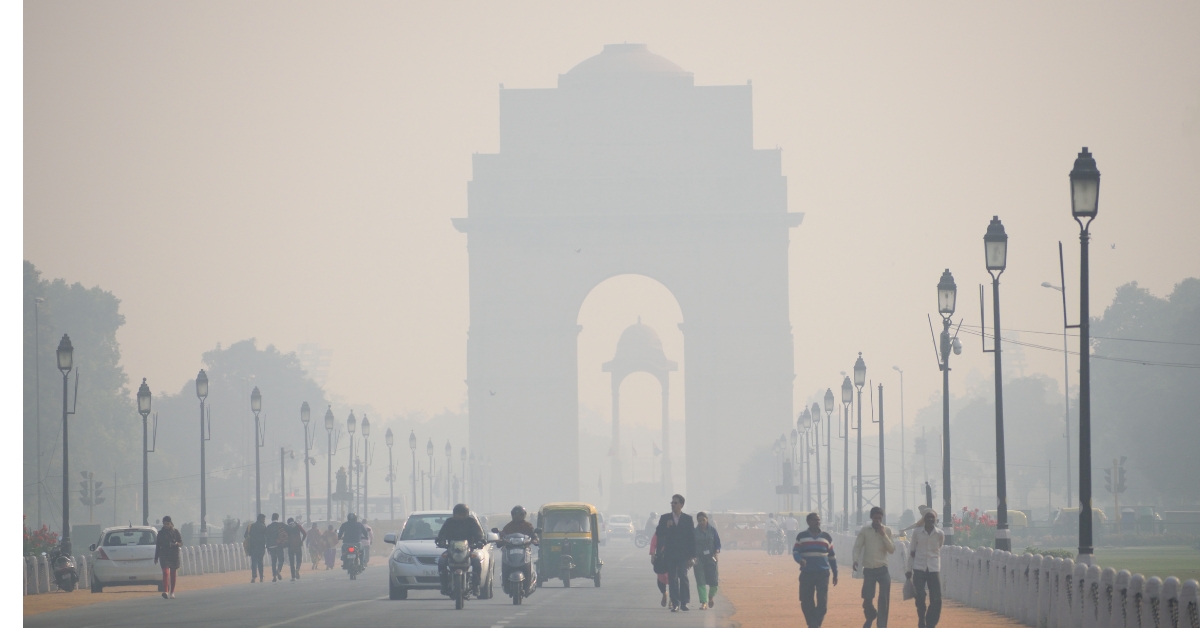
Delhi (shown here) ranks second, mainly due to air pollution. According to the cited data from House Fresh, the Indian megacity is among the world’s most polluted. In these tourist cities, traveling can mean breathing air of poor quality, directly affecting the experience. Johannesburg completes the top three, with the highest crime index of all the cities analyzed, paired with substantial pollution levels.
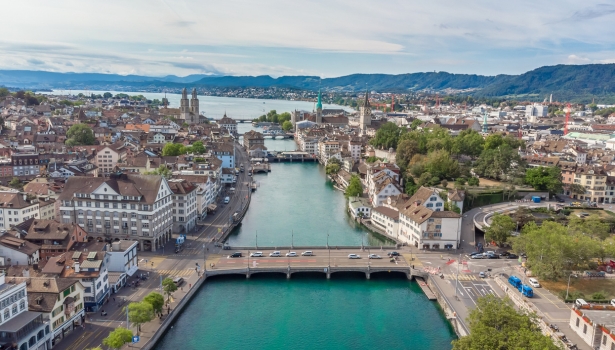
Even more surprising, Zurich appears in fourth place. Despite its reputation as a prosperous, orderly city, the Swiss capital shows crime rates higher than Delhi’s according to the study, as well as 33% congestion and a 75% average humidity. Thus, even in cities known for their high quality of life, traveling can confront urban constraints that are less visible but very real.
Traffic, Humidity, and the Cumulative Stress Effect
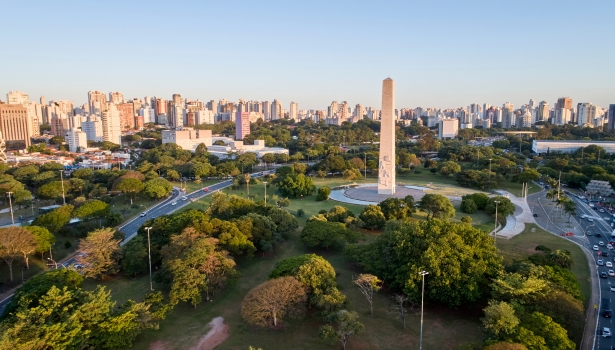
Behind the top spots, other tourist cities illustrate the diversity of stress sources. São Paulo and Jakarta register congestion levels of 42% and 43%, respectively, while their annual humidity frequently exceeds 80%. In Jakarta, chronic traffic jams and smog add to the constant heat, creating an environment that many visitors find exhausting. In these conditions, travel becomes a continuous exercise in adaptation. Kuala Lumpur ranks seventh, notably because of a record-breaking humidity of 86%.
Mexico sits in eighth place with the study’s highest congestion rate, at 52%, joined by pollution and crime. Athens and Naples round out the rankings, penalized by urban density and heat. Hadleigh Diamond, SCSChauffeur’s Chief Operating Officer, explains to Geo that “cities like Cape Town and Johannesburg achieve high scores not only because of crime, but because safety concerns intersect with congestion and weather conditions, keeping stress levels consistently high.” And in some cases, he adds, “In the case of Delhi, air pollution alone is enough to significantly raise stress levels, independent of traffic or crime.”