
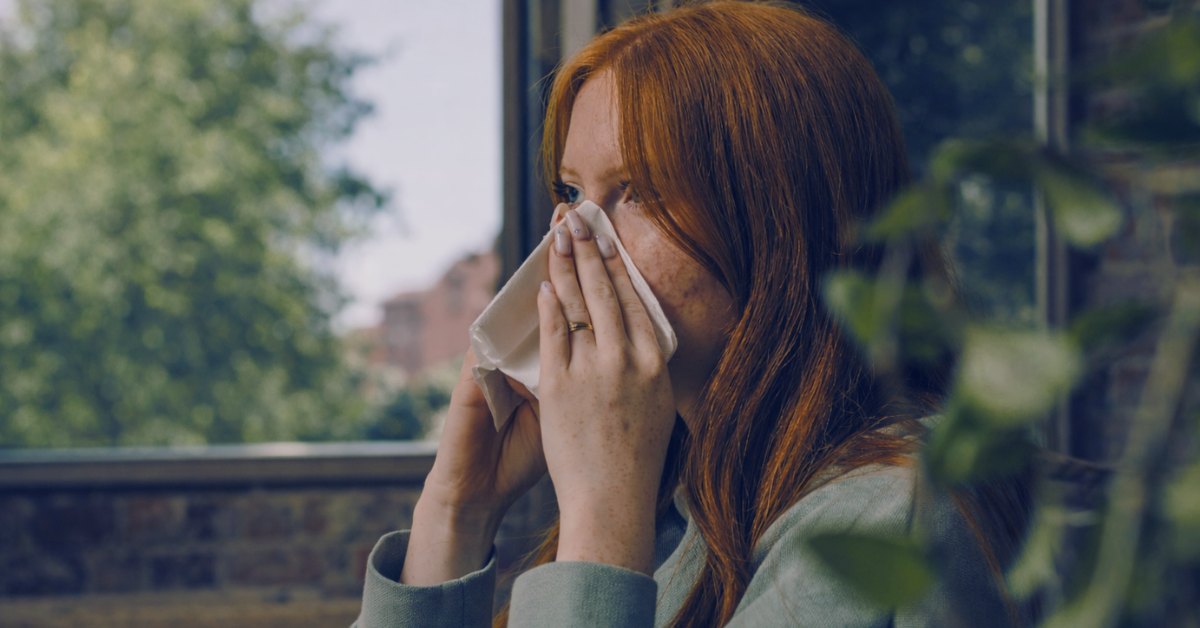
With each spring, seasonal allergies surge across the United States. And with a longer pollen season, the problem is only getting worse.
An increasingly long pollen season
In the United States, pollen allergies, or allergic rhinitis, now affect roughly one in three adults and one in five children. A striking rise: over a few decades, the frequency of these conditions has surged. For the most sensitive individuals, these episodes can take on severe forms, turning every spring return into a real ordeal. And they pose a major public health challenge.
Moreover, pollen seasons are now stretching over a longer period. Climate warming is a major factor. With higher temperatures, flowering starts earlier, bringing forward the start of the pollen season. Added to this are milder winters, which sometimes push back the end of the pollination period. Result: the duration of exposure to allergens lengthens a little more each year.
CO2-boosted pollen
But beyond duration, the amount of pollen is also increasing. Carbon dioxide acts as a true fertilizer for plants: by absorbing more CO2 from human activities, some plants boost their growth and produce more pollen. So it’s not just the calendar that changes, but also the intensity of exposure.
Air pollution makes things worse. Pollutants can cling to pollen grains, weaken their outer shell, and release even finer allergenic particles capable of penetrating deeper into the airways. At the same time, polluted air irritates the mucous membranes, lowering the tolerance threshold for allergic individuals and intensifying their symptoms.
Migrating allergenic plants
Climate disruption is also reshaping the geographic distribution of vegetation. Very allergenic and invasive species, such as ragweed, are now colonizing regions of the country that were previously relatively spared. This plant with particularly aggressive pollen continues to advance, including toward the north and east. This mechanically increases the number of people exposed to potential allergic reactions.
Another often underestimated consequence: the fatigue of allergic individuals. When symptoms start earlier in spring and sometimes last until autumn, they end up affecting sleep, concentration, social life, and even performance at work or school. Seasonal allergies thus no longer resemble a minor nuisance.
To address this situation, medical and preventive strategies exist. Desensitization remains the most effective long-term treatment to gradually acclimate the body to allergens. In daily life, during periods of high pollen risk, it’s better to limit outdoor sports, avoid gardening during peak hours, air out the home in the evening, rinse the hair in the evening, and not dry clothes outside.