
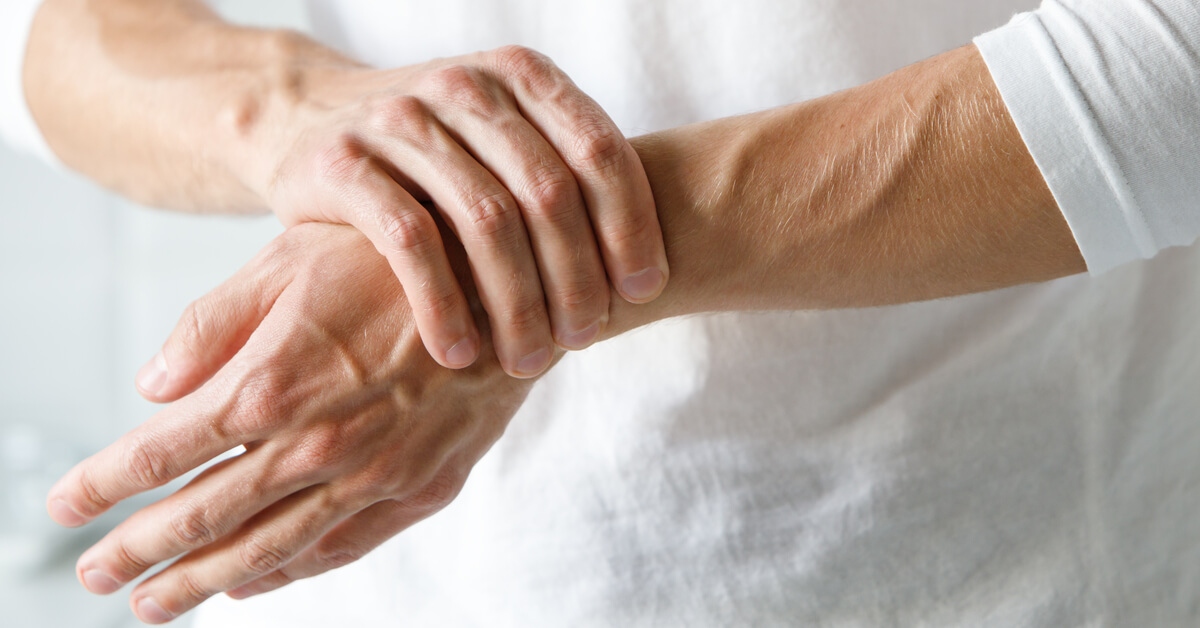
We have 400 joints in our body. Most of the time, they work so well that we forget they exist. It’s only when they hurt that they remind us just how indispensable they are.
Where Do Joint Pains Come From?
Joints are finely tuned, highly complex mechanisms. Joint pain can have physical causes (bumps, accidents), but also psychological factors or age-related changes.
Osteoarthritis, Rheumatoid Arthritis… All Joint Diseases
In Greek, arthron means joint. No wonder that many of the joint pains carry this root. However, not all are alike. It is first necessary to identify the type of pain.
Joint pains can also have mechanical causes: with heavy use, joints eventually wear down. This is the case with osteoarthritis, a degradation of cartilage. It is therefore common in older people, but also among those who use their limbs a lot: athletes, tradespeople…
Joint inflammations
They can also have inflammatory causes. If the joints are red and swollen, it’s an inflammation. It can be tendinitis (inflammation of the tendons) or arthritis.
Inflammatory joint pains can be linked to diseases caused by germs (streptococci, staphylococci) or parasites (Lyme disease). The Chikungunya virus also causes joint pain. They are also sometimes linked to chronic conditions such as Crohn’s disease. These are the “infectious” causes of joint pain.
If the inflammation and joint pain are generalized, it may be rheumatoid arthritis. This disease affects 300,000 to 400,000 people in France, and tends to appear between ages 40 and 60.
Traumatic Joint Pain: Accidents and Falls
Injuries to joints are common, especially among athletes. It’s essential to treat them properly to avoid lasting sequelae. Joint pains related to injuries can subside, only to reappear 20, 30 years later as aging sets in—take care of your body now!
If the injury is minor, you can apply ice, rest the sore joint, and support it with a bandage. In the case of a serious sprain (accompanied by edema, significant swelling…), it is essential to seek care to properly treat the injury.
Natural Ways to Ease Your Joints
Conventional medicine offers solutions, but lifestyle choices play a major role in managing inflammation.
Anti-Inflammatory Diet
What you put on your plate can either “turn off” or “fuel” the fire of inflammation:
- Prioritize Omega-3s: fatty fish (sardines, mackerel), flaxseed oil, and walnuts.
- Load up on antioxidants: berries, leafy greens, and turmeric (paired with black pepper).
- Limit ultra-processed foods: refined sugar and saturated fats worsen pains.
Herbal Allies
- Harpagophytum (Devil’s Claw): recognized for its powerful effect on joint flexibility.
- White Willow: nicknamed “the plant aspirin” for its analgesic properties.
- Black Currant: as an infusion or gemmotherapy (buds) to drain toxins.
In any case, if your pains persist, are difficult to bear, or are accompanied by fever, it is essential to consult a doctor so they can identify your condition precisely and prescribe an appropriate treatment.
Physical Activity: The Mistake Not to Make
Contrary to popular belief, total rest is the enemy of the joint. Without movement, the cartilage isn’t nourished and atrophies.
During a flare: relative rest and cold therapy.
Between flares: opt for gentle activities (swimming, cycling, yoga) to strengthen the muscles that support the joint.