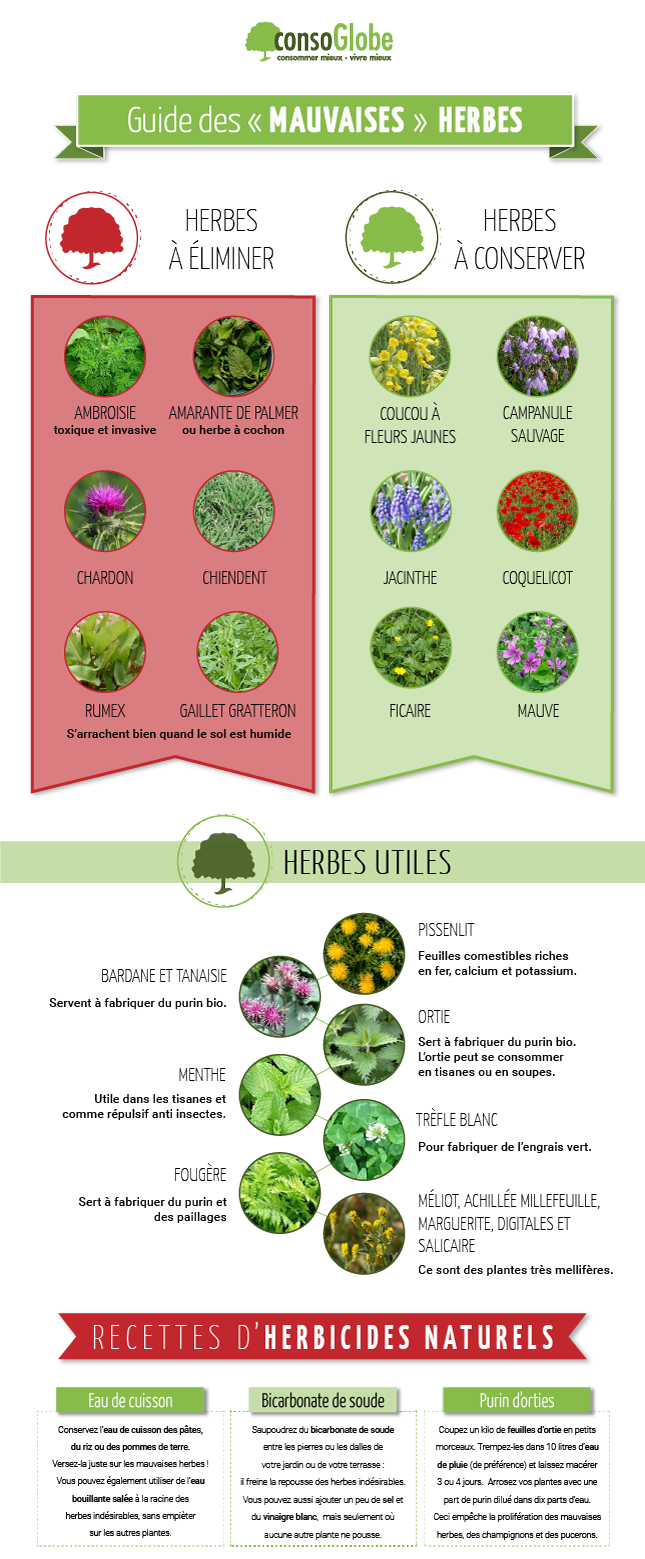
Weeds have a bad reputation. Yet behind this unflattering name lie spontaneous plants that are sometimes useful, sometimes invasive, often revealing the state of your soil. Before reaching for a hoe or a herbicide, it’s best to learn how to recognize them. A well-identified weed is easier to manage… and some even deserve to stay.
On average, there would be about 5,000 weed shoots per m2 according to the National Institute for Agricultural Research (INRA). Yet, in just a few decades, their diversity has fallen sharply. A paradox that reminds us that a garden that is too “clean” isn’t necessarily a living garden.
Pourquoi identifier les mauvaises herbes ?
Identifying spontaneous plants allows you to act intelligently rather than blindly. Not all are equal: some strongly compete with crops, others protect the soil, feed pollinators, or signal a soil imbalance.
A dandelion won’t have the same impact as a creeping couch grass or as a nettle settled in a nitrogen-rich corner. Knowing their name is already understanding their behavior.
Ce que les mauvaises herbes disent de votre sol
The presence of certain species can serve as a natural diagnosis. A compacted soil will often show plantain or dandelion. A soil rich in nitrogen favors nettle or chickweed. Bare patches readily welcome clover, speedwell, or the daisy.
In other words: if weeds keep coming back, the problem isn’t always the plant… but sometimes how you manage the ground.
The main weeds to recognize
The Dandelion
Easy to identify with its rosette of dentate leaves and yellow flower. It often indicates compacted soil. Very popular with bees in spring, it is also edible in salads.
The White Clover
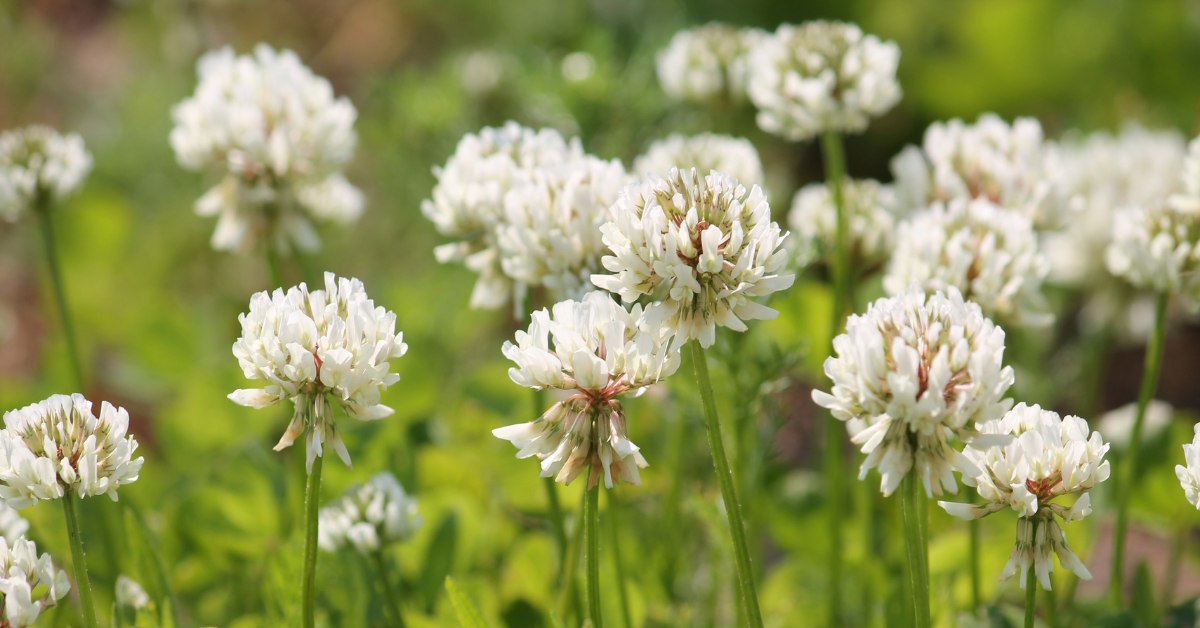
Often disliked in pristine lawns, it is nevertheless excellent for pollinators and naturally enriches the soil with nitrogen.
The Plantain
Found in compacted or walked-on lawns. Its rosette leaves tolerate foot traffic well. It can be kept in check by aerating the soil.
The Couch Grass (Quackgrass)
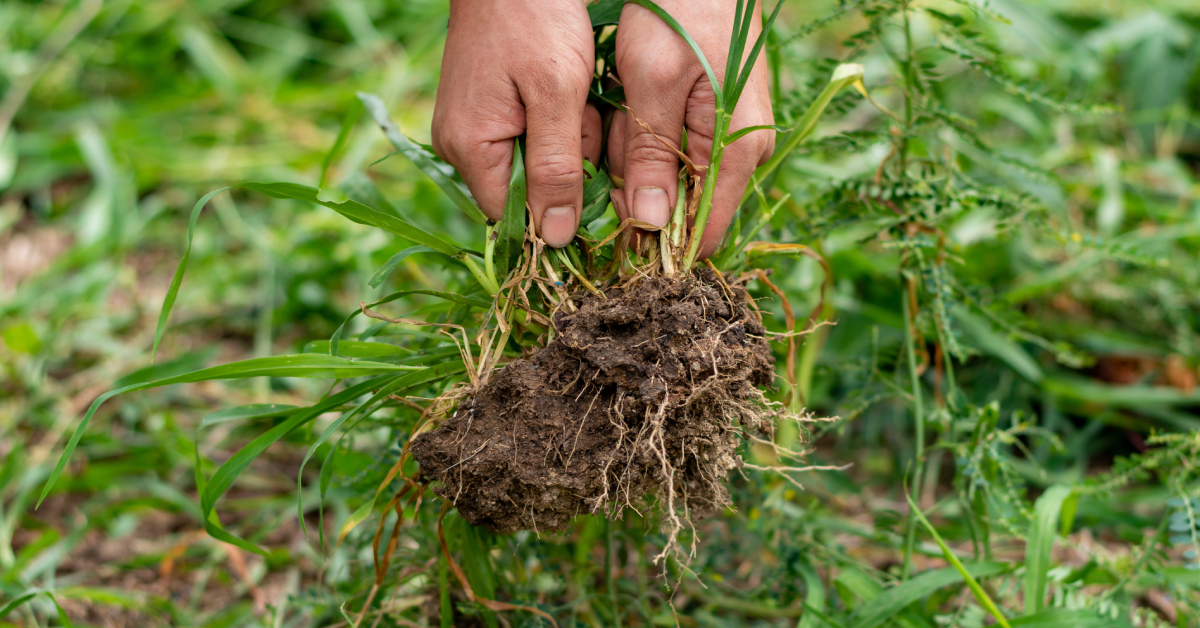
One of the toughest. It spreads through underground rhizomes and comes back at the slightest fragment left behind. Patient removal remains the best solution.
The Nettle
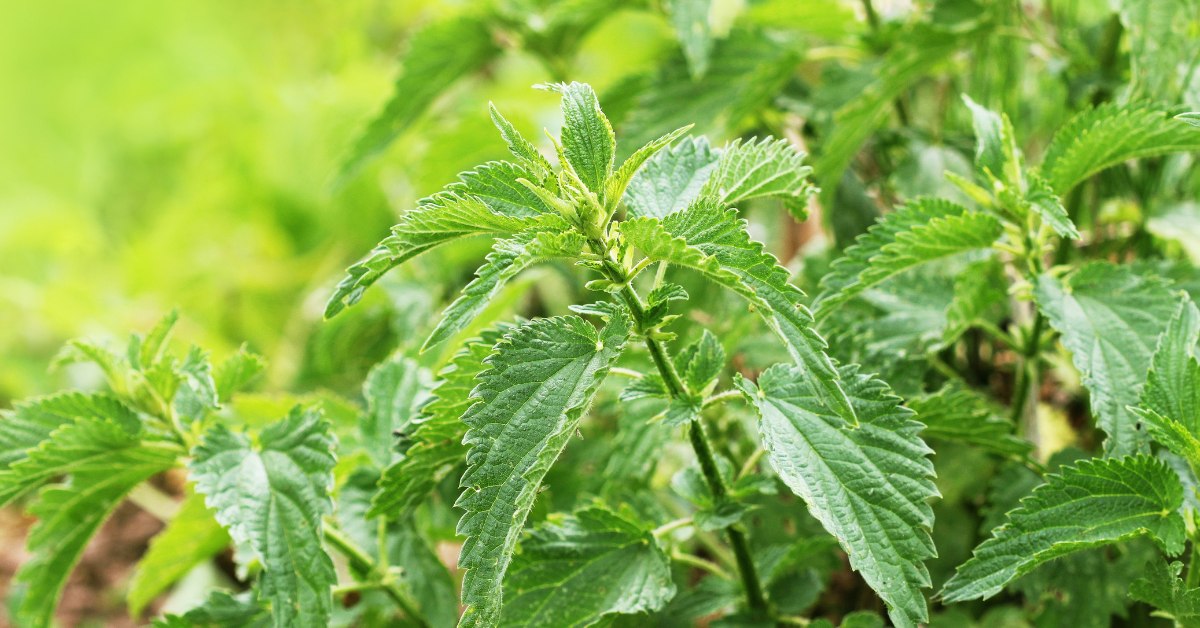
A sign of fertile, nutrient-rich soil. Very useful for making nettle fertilizer, attracting biodiversity, or cooking a wild soup.
Comment lutter sans herbicides chimiques
Traditional herbicides can harm biodiversity, contaminate water, and weaken soil life. Fortunately, more durable solutions exist.
Mulching limits light and slows seed germination. A taller mowing height densifies the lawn. Regular hoeing cuts young shoots before they root. Hand pulling after rain is often highly effective. In paths, boiling water or thermal weed control can help on occasion.
The most important part remains prevention: a covered and living soil leaves less room for the unwanted.
Faut-il tout arracher ?
No. In a corner of the garden, a few wildflowers provide great services. They feed bees, butterflies, and hoverflies, improve soil structure, and contribute to natural balance.
The right habit is to distinguish zones: a demanding vegetable patch on one side, a more natural space on the other. This coexistence allows a productive garden without slipping into the obsession of “zero weeds.”
Une astuce simple pour éviter leur retour
Never leave bare soil for long. After harvest, sow a green manure, spread mulch, or replante quickly. Weeds colonize bare spaces first.
Le vrai secret d’un jardin équilibré
Weeds are often only a symptom. Over-mowing, over-tilling the soil, leaving the soil bare, or unbalancing inputs fosters their appearance. Observing before acting remains the best strategy.