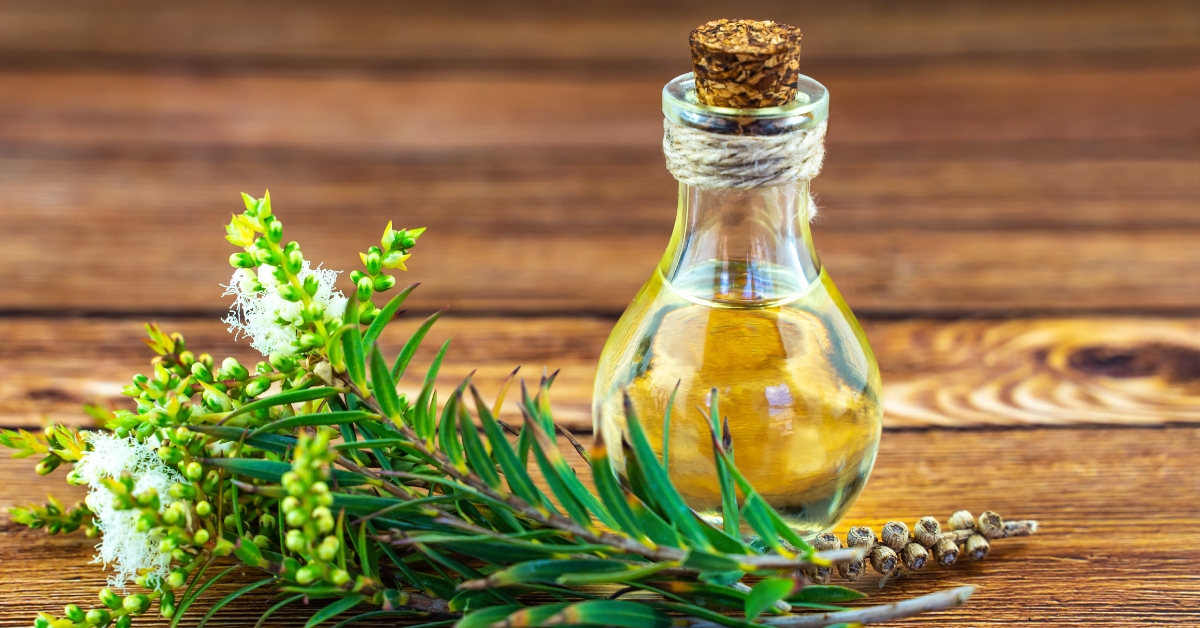
If you had to pick just one essential oil, this would be it! Whether you’re traveling or simply at home, it’s a “must-have.” Tea tree oil has a wide range of properties and is frequently found under its English name, “tea tree oil.”
A quick look at the origin of tea tree oil
Tea tree oil comes from distilling the leaves of the tea tree – or Melaleuca alternifolia according to its scientific name. Commonly found in Australia and used as a remedy by Indigenous Australians, it’s a small shrub that doesn’t grow taller than about 6 meters, with needle-like leaves. It blooms from mid-October to late November, producing small white flowers.
The properties of tea tree oil
It’s one of the most well-known essential oils because it offers numerous benefits, ranging from anti-fatigue to wound healing. It is antiseptic, antifungal, healing, decongestant, antibacterial, and immune-system booster.
Therefore, it can be used to fight acne, fungal infections, eczema, head lice, mucous membrane infections in the mouth, dandruff, sore throats, wounds, ticks, and to help clear the airways.
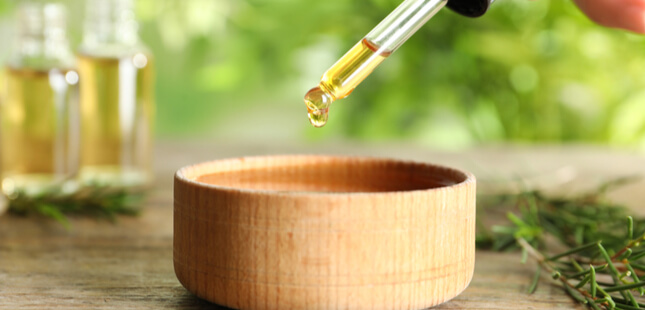
As a general rule, you should always be careful when applying it neat and dilute it with a carrier oil before use. In general, precautions are advisable before using essential oils.
Using tea tree
Its uses are very broad:
- Diffusion
- Topical application
- Internal use
- Inhalation
- Gargling
This oil can also be used with other oils such as lavender (balancing), pine, lemon, rosemary, and sage.
Tips for using tea tree oil
#1 Mask to remove impurities and acne
Mix in calamine (soothing rose clay), grapeseed oil (an antioxidant for a radiant glow), hazelnut oil (balancing and tightening the tissues), and a few drops of tea tree oil (antibacterial and healing). Leave on for 5 to 10 minutes. Can be done once a week. Be careful not to let the mask dry completely on the skin. Do not apply essential oil directly to acne; instead use a mask or a toner water based on tea tree.
Other tips for using tea tree oil
We focus here on the “health” uses of tea tree oil, but it is also widely used to make eco-friendly cleaning products.
#2 Head lice shampoo
You can try this natural remedy for head lice. Wash your hair with a mixture of lavender essential oil (balancing for oily hair) and tea tree oil with a mild, neutral shampoo (about 20–60 drops per 100 ml of shampoo). Let it sit for 10 minutes before rinsing.
#3 Inhalations
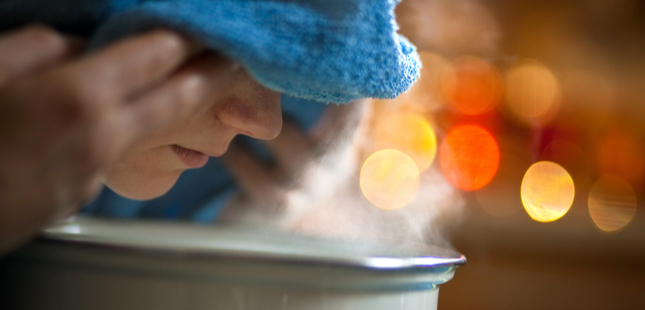
When you have a cold, mix in hot water a few drops of tea tree, eucalyptus, peppermint, and thyme. Inhale daily, covering your head with a towel to trap the vapors!
You can also place a drop of the essential oil blend on a tissue to sniff throughout the day, or on your pillow.
#4 Sore throat
Gargle three times a day with thyme tea into which you have added a few drops of tea tree oil to disinfect and ease the pains.

#5 Treating a cavity
You can put a drop on your toothpaste and brush your teeth, or rinse with water and tea tree oil.
#6 For warts
On a plantar wart, apply a cotton swab saturated with tea tree oil twice daily until the wart disappears. You can also dilute a few drops in a foot bath.
The list goes on, so remember: you can use this essential oil for any disinfecting, anti-parasite, or to speed up healing.