Squash, whether pumpkin, zucchini, or butternut, are vegetables that can be harvested at different stages of maturity depending on the intended use. So, how do you determine the ideal time to harvest? And how can you ensure optimal storage?
Harvesting squash for immediate consumption
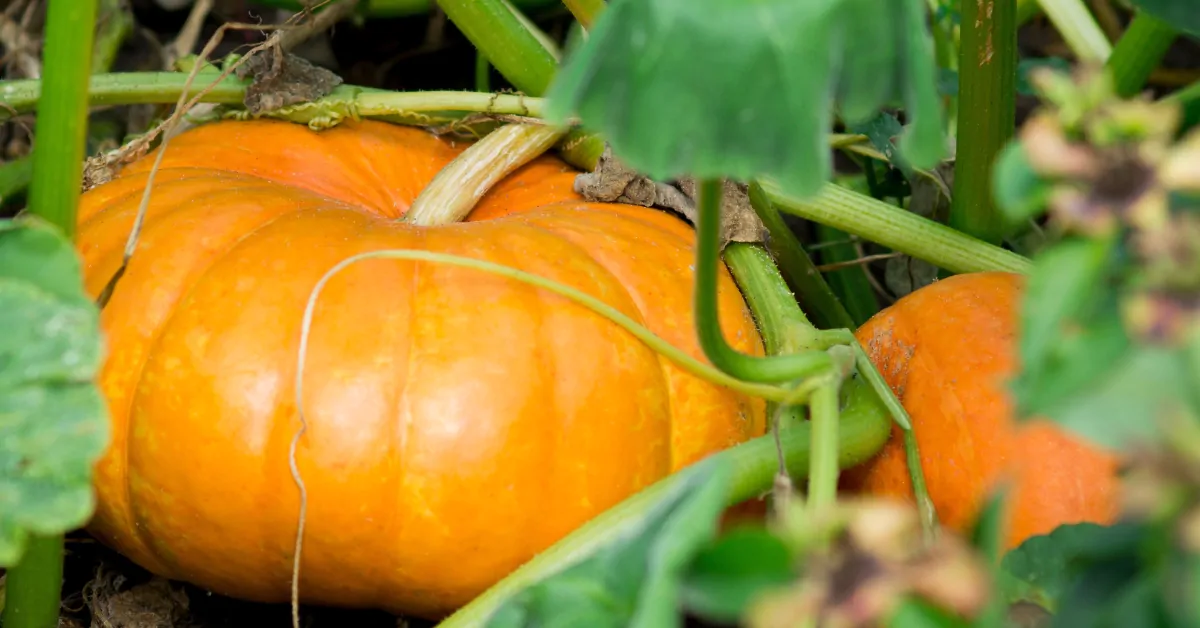
If the idea of quickly savoring a freshly picked squash appeals to you, know that full maturity isn’t a must. In fact, a slightly immature squash is often more tender and juicy, making it ideal for dishes like soups, casseroles, or even sautés. To determine if your squash is ready for quick-use, look at its color. It should be uniform, with little variation, and the skin texture should begin to firm up, though it should still be relatively pliable to the touch.
Fully mature squash: how to recognize it?
If, on the other hand, you’re planning to store your squash for a longer period, waiting for full maturity is crucial. Several signs can help you identify this stage:
- The color of the squash should be deep and uniform. Green spots or pale areas, common on young squash, should have disappeared completely.
- The stem attached to the squash is a great maturity indicator. A dry, hard stem suggests the fruit has reached full development.
- Another simple yet effective way to test maturity is the nail test. If, when pressed lightly with your fingernail, the skin resists puncture, that generally means the squash is ready to harvest.
How to harvest squash properly?
How you harvest a squash is as important as when you choose to do it. It’s best to use sharp tools such as pruning shears or a knife to cut the stem, leaving about 2 inches (roughly 5 cm). This technique helps prevent rot and extends their storage life.
Storing squash for winter
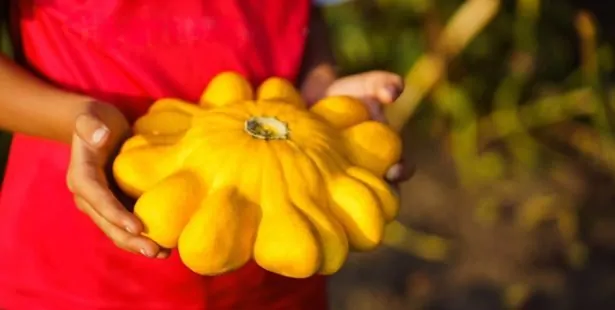
Once your squash are mature and harvested, keeping them for winter storage is essential for enjoying them throughout the season. Start by letting them dry in the air for a few days. This drying strengthens their skin, forming a protective barrier. For storage, choose a cool, dry, and well-ventilated place, such as a cellar. Avoid damp areas that promote mold. Finally, when storing, avoid packing them too tightly. Keeping them apart from one another helps limit the spread of diseases or rot.
Preparing squash for winter
When should you stop watering squash?
Watering squash is crucial for their initial development, but as the season progresses and the fruits mature, it’s important to gradually reduce and then stop watering altogether. Here are key points to determine when to stop watering your squash:
- When the squash approaches maturity, it’s wise to reduce watering. This helps prevent fruit rot or diseases caused by excess moisture. Reduced watering at this stage can also help intensify the squash’s flavor.
- When the color of the squash changes to its mature hue (for example, bright orange for pumpkins), that often indicates it’s time to cut back or stop watering.
- When the plant’s leaves begin to yellow or wilt, and the stems of the squash harden and dry, that’s usually a sign the fruit is nearly ripe. At that point, watering can be stopped.
- It’s recommended to stop watering squash one to two weeks before the planned harvest. This allows the skin to harden, making storage easier.
- Finally, if the weather is especially damp or rainy as fall approaches, stopping watering is even more important to avoid soil sogginess that can lead to fruit rot.
In short, while the squash plants require consistently moist soil early in growth, this necessity diminishes as they mature. At the end of the season, before harvest, it’s essential to stop watering entirely to ensure good-quality squash with concentrated flavor and a sturdy skin for storage.
Should you prune squash plants?
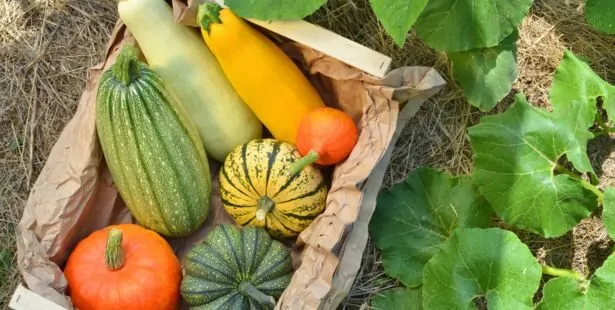
Pruning squash plants isn’t always necessary, since these plants naturally tend to spread and cover a large area. However, pruning can be beneficial for managing space, improving air circulation, boosting fruit production, or preventing disease. Here are some tips on when and how to prune your squash plants:
When to prune?
Early in growth: when the plant reaches about 50 cm (roughly 20 inches) in length, you can perform an initial pruning. This will encourage lateral growth and help the plant become bushier.
During the growing season: once the plant has produced 3 to 4 fruits, you can prune new shoots to focus the plant’s energy on those fruits.
How to prune?
Be sure to use sharp, disinfected pruning shears to prevent the spread of disease.
To encourage branching, pinch the tip of the main stem after a few leaves (usually after 5 or 6). This will promote the development of secondary stems.
If you want to limit the plant’s spread, prune the secondary stems after 2 or 3 leaves. New fruits often form at the base of these leaves.
Throughout the season, monitor for yellowing, wilting, or diseased leaves. Remove them promptly to prevent disease spread.
In regions with high humidity or in gardens with poor air circulation, it can be beneficial to prune the lower leaves to improve airflow and reduce the risk of fungal diseases.
Prefer pruning in the early morning or late evening, i.e., when the plant is less stressed by weather conditions. After pruning, water at the base of the plant (not on the leaves) to reduce stress from the cut.
While pruning squash isn’t mandatory, it can help manage space, improve fruit quality, and prevent diseases. Every garden is unique, so observe your plants and tailor pruning techniques to your specific needs.
Happy gardening and bon appétit!
Also read
- Don’t throw away your pumpkin seeds anymore!
- The pumpkin, your autumn antioxidant ally