
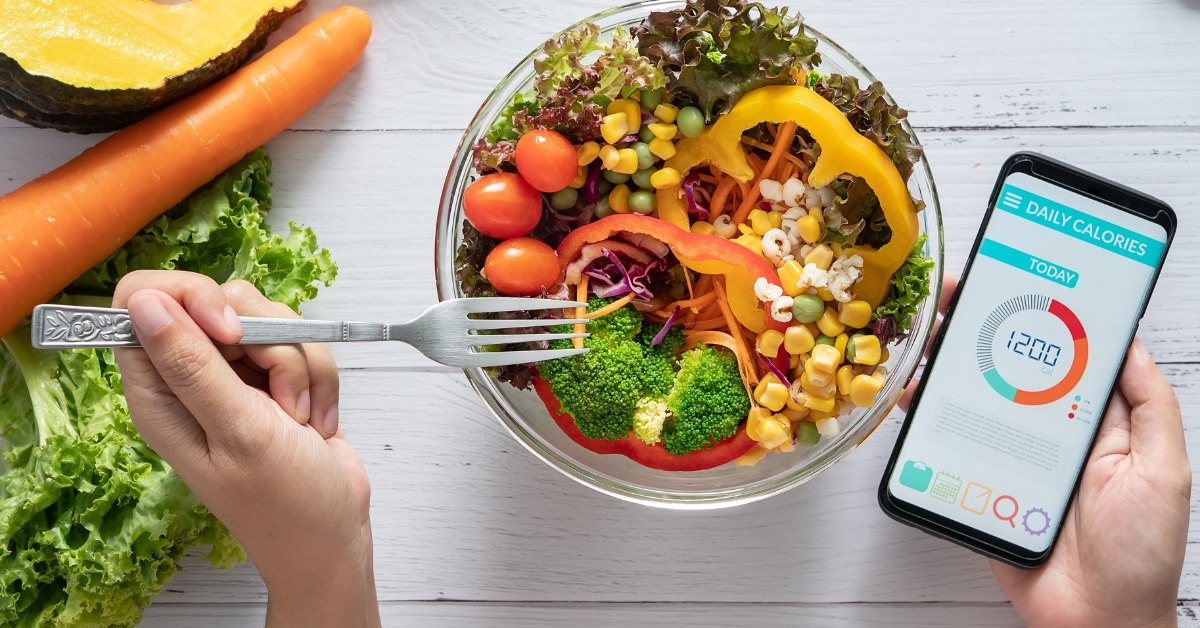
The idea is well established: to lose weight, you only need to count calories. In reality, the topic is more complex. The energy deficit remains a real lever, but it does not by itself define weight loss. Metabolism adapts, appetite varies, hormones influence satiety, and the psychological context weighs heavily in eating behaviors. In other words, two people exposed to the same caloric intake will not necessarily react in the same way.
The body doesn’t work like a simple calculator
For a long time, the fight against overweight was summarized by a simple equation: eat less than you burn. This principle isn’t wrong, but it’s incomplete. The human body is an adaptive system, not a linear machine. When intake drops sharply, the body can partially reduce its energy expenditure. This can complicate weight loss and, more importantly, its long-term maintenance.
In plain terms, when you severely restrict your eating, the body can enter a kind of energy-saving mode. Resting metabolic rate decreases, but that isn’t the only change: hunger can also rise, while certain hormonal signals become less favorable for controlling appetite. The result is that a strategy based solely on deprivation can become difficult to sustain over the long term.
Food quality matters as much as quantity
Not all calories produce the same effects on satiety. Proteins and high-fiber foods generally promote longer-lasting fullness. By contrast, highly refined or ultra-processed products can be consumed more quickly, satisfy hunger for a shorter period, and encourage cravings.
However, it’s important to avoid certain shortcuts. Carbohydrates alone do not explain weight gain, and insulin is not the sole conductor of fat storage. The picture is more nuanced: nutritional quality, energy density, chewing, meal timing, sleep, physical activity, and stress all interact with each other.
The microbiome, a quiet but important player
Another parameter increasingly studied: the gut microbiome. Each person has a unique bacterial flora that participates in how the body extracts and uses energy from foods. In other words, the theoretical calorie listed on paper is not always exactly the one that will be actually available to the body.
A diet rich in fiber, legumes, fruits, vegetables, and minimally processed foods nourishes a more diverse microbial biomass. This can influence energy absorption, but also inflammation, satiety, and even certain cravings. It’s a reminder that a simple calorie count doesn’t always predict how weight will evolve.
The timing of meals and how you eat also matter
Beyond what’s on the plate, when you eat matters too. The body doesn’t process nutrients exactly the same way depending on the time of day. In general, calories consumed earlier in the day seem to be managed more effectively by the body than heavy meals eaten late at night.
The speed at which you eat also plays a direct role. Eating too quickly leaves less time for fullness signals to reach the brain. The result is that you may consume more before you feel you’ve eaten enough. Again, weight depends not only on a total caloric intake, but also on the context in which those calories are consumed.
Psychology also weighs in the equation
Weight loss isn’t solely a physiological matter. Your relationship with food, frustration, guilt, or emotional eating have a major impact on behavior. An overly restrictive diet can eventually trigger binges, a loss of bearings, or a discouraging yo-yo effect.
Conversely, a more flexible and qualitative approach, focused on satiety, the pleasure of eating, meal regularity, and choosing nourishing foods, is often more sustainable. It’s better to aim for a manageable balance than for constant control that’s impossible to maintain.
A holistic and more realistic approach to weight loss
Today, science doesn’t say that calories are useless. It says they’re merely one part of the equation. To lose weight sustainably, it’s better to think in terms of food quality, nutritional density, satiety, meal rhythm, physical activity, sleep, and long-term adherence.
The real issue isn’t just about eating less, but about building a lifestyle that the body can tolerate over the long term. Calorie counting can still be a useful tool in some cases, but it should no longer be viewed as the sole key to weight loss.