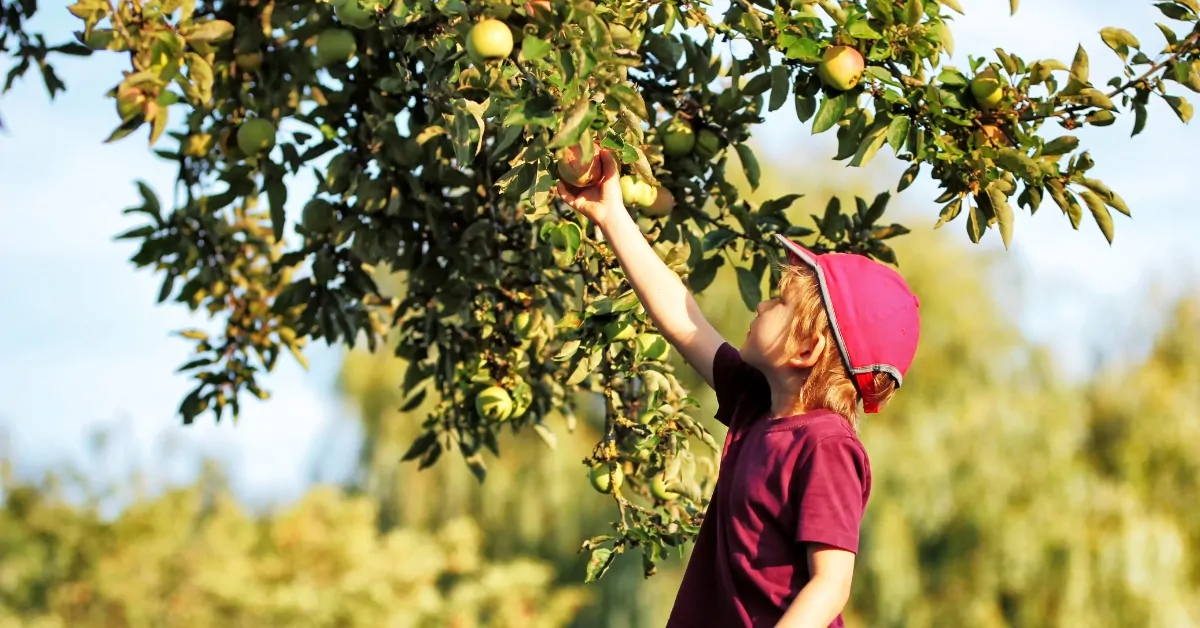
Fruit growing in orchards is an age-old practice, with a rich regional heritage in many places around the world—France included. In an agricultural landscape that has tended in recent decades to favor vast monoculture fields, orchards are still places where biodiversity can be reintroduced and encouraged.
Encouraging biodiversity in the orchard with a few tips
It’s easy to adopt a few habits to turn your orchard into a biodiversity haven. Here’s how.
#1 Selective mowing
Mowing the grass in an orchard is important, especially to prevent certain fungal diseases that can develop on fruit trees due to excess moisture in the soil. But we must exercise restraint!
So avoid cutting too short or too often. By limiting mowing, you’ll build year after year a more interesting floral march for the pollinators your orchard relies on.
When you mow, don’t mow the entire area, leave one or several patches unmowed. This will serve as a refuge zone for insects and especially beneficial insects like the golden beetles, but also as a seed bank. As the plants you didn’t mow complete their life cycles, the unmowed plants will reseed the rest of your land. So vary unmown zones gradually!
#2 Make piles from pruning wood
All orchards need pruning. At the end of fall or during winter, you’ll have brushwood that will be very useful to promote a little biodiversity if you don’t need it for your wood stove or for next year’s barbecues.
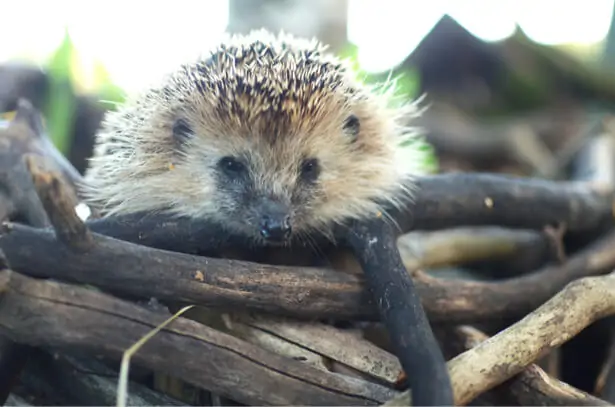
You can choose to make one big heap in a spot that won’t bother you and start from the idea that you will leave it there for a long time and add the wood you produce year after year. Without preempting too much, you should quickly attract hedgehogs to nest there and get a good winter.
You can also opt to make smaller scattered piles, even if it’s less convenient for mowing later. These small piles will support all soil decomposers, which will reward you by fertilizing the ground and thus helping you produce more and better.
#3 Ramial Wood Chip Mulch
BRF (Ramial Wood Chip Mulch) is an excellent way to recycle pruning waste from your orchard. It involves grinding all the branches you will have after your autumn pruning, no more, no less.
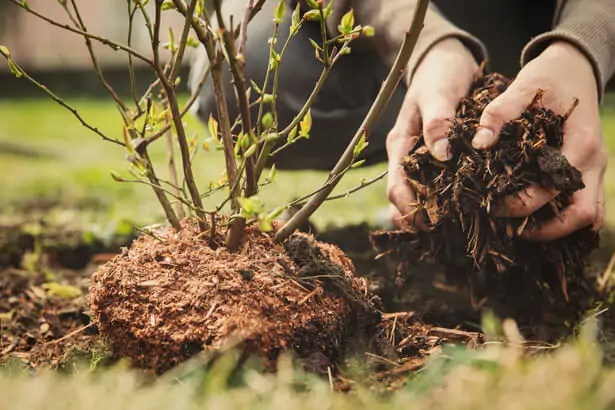
Then you’ll need to quickly spread your BRF at the base of trees or in your hedge to activate soil life in an impressive way.
If you can’t spread your BRF within 3 days, it will heat up quickly, which will break its potential positive effects.
Plan a layer of 2 to 5 centimeters to be as effective as possible.
#4 Equip your orchard with nest boxes and perches
Many birds and raptors have a vital need for trees, especially in flat landscapes. If maintenance becomes too “efficient,” cavities and dead trees have disappeared from the landscape, complicating the discovery of nesting sites for species such as the little owl.
You can thus install large nesting boxes for raptors, which will reward you by keeping rodents that could nibble the roots of your trees or otherwise disrupt your soil at bay. But the same is true for passerines like chickadees or thrushes, which will help you rid your orchard of many pests!
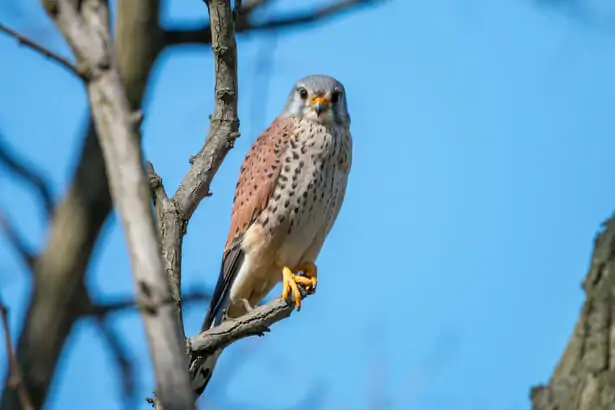
With the rarity of trees in our landscapes, raptors find fewer perches, which is why you’ll often see many hawks using fence posts along roadsides.
Don’t hesitate to plant a few three-meter-tall posts; you’ll likely spot a raptor perched as it eyes its prey.
#5 Give ivy a chance
Ivy isn’t what it seems… At first glance one might think it parasitizes trees by choking them. It’s much more complex than that because, when you look closely, you’ll see it never climbs the entire trunk and still allows part of the tree to develop.
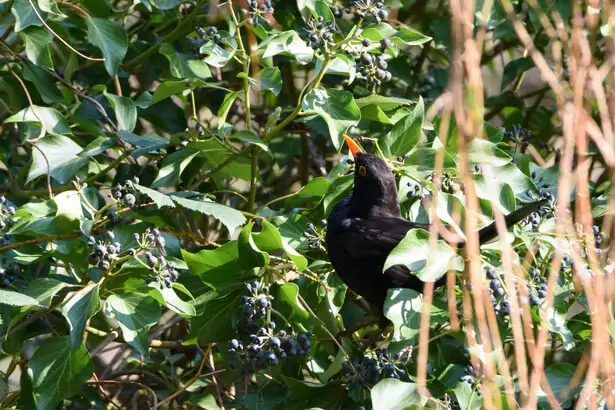
In reality, ivy offers several benefits in an orchard, because it creates a distinct habitat on the tree trunk, making colonization more difficult for ants that farm aphids in the canopy, for example.
Ivy also flowers very late in the year, providing late-season food to pollinators who need it and will thus be more present the following year when it comes to pollinating your fruit trees.
It goes for ivy berries too which, appearing very late in the season, will feed many birds that will enjoy, in spring, the pests such as codling moths and aphids that it shelters!
#6 Leave a space for a fruit hedge
The usual layout of an orchard has trees lined up and spaced apart so they don’t crowd each other. This favors efficient production and makes maintenance or picking easier.
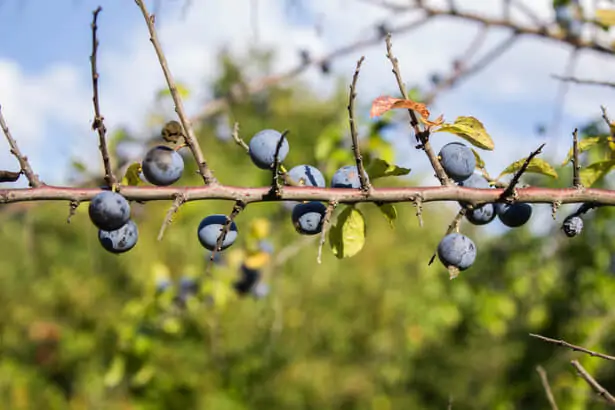
But in an orchard you may also want a bit more biodiversity or more privacy, simply! A hedge largely composed of fruiting trees is quite feasible, notably by using varieties such as quince trees or cherry trees.
You will probably produce less from this hedge, but by pairing your fruit trees with other local species such as black elderberry or hawthorn, you will enjoy other seasonal products while promoting the presence of beneficial insects and wildlife in general.
#7 Rethink chemical products
All crops have their own roster of treatments to fight diseases or pests, and fruit cultivation is no exception. In fact, it’s the opposite, because, unlike many other types of farming, an orchard is a perennial system. You cannot simply switch crops from year to year to eliminate pests.
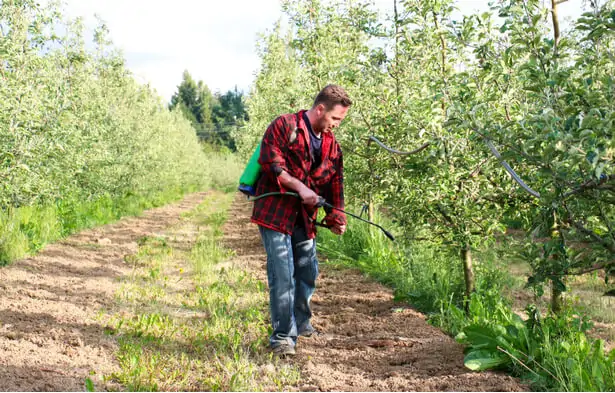
In this context, three options are available to you:
- You continue to treat as before and wait for products to be banned or for you to fall ill to question what you could do.
- You stop all treatments and accept that you might lose your entire annual yield, as can happen with late frosts or drought.
- You favor beneficial organisms and implement all biological control techniques to stop using such products, acknowledging that it may take several years to see results.
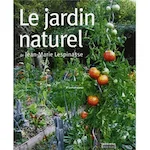
For 40 years, Jean-Marie Lespinasse has practiced gardening, always aiming to create a garden whose design is close to nature, without chemicals, far from the constraints of modern farming: plowing, fertilizers, phytosanitary treatments, weeding…
To discover on Cultura.com