
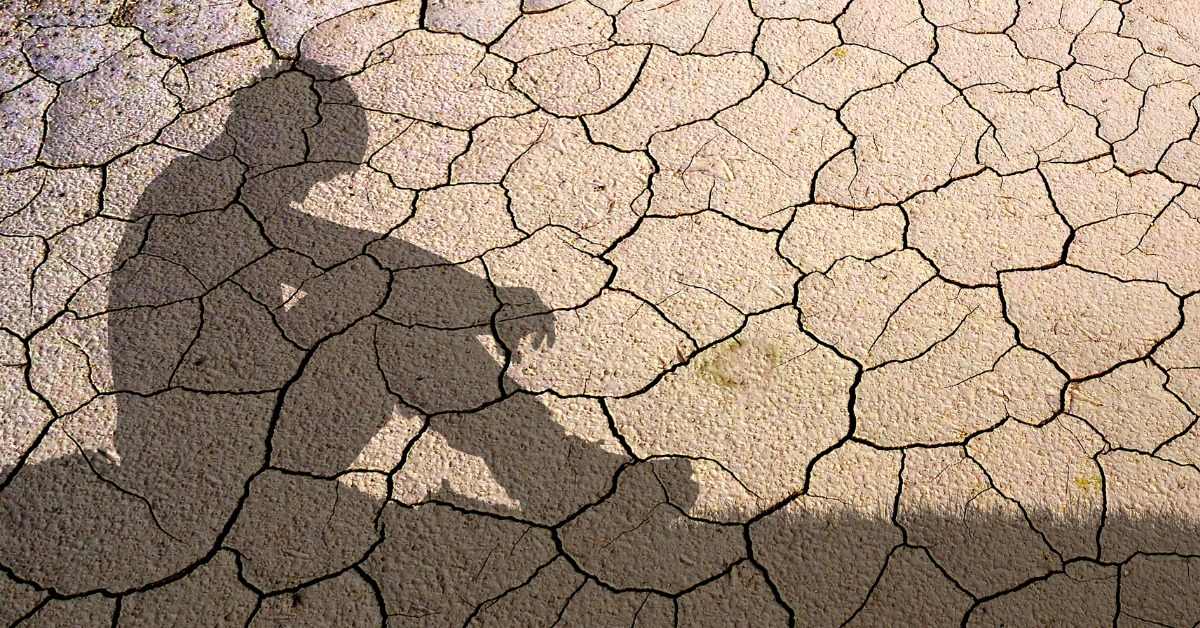
As 2026 is shaping up to be one of the hottest years on record—and 2027 could even erase the historic high set in 2024—the world’s attention seems to drift exactly where it is most needed.
Alarming Projections Pushed to the Back Burner
The warning issued on May 12, 2026 by several scientists and international agencies leaves little room for ambiguity: 2026 is expected to rank among the warmest years in instrumental history. This forecast results from the convergence of the El Niño phenomenon with an underlying warming that continues to intensify year after year. Yet, this additional alert simply adds to a long list of reports and international summits that struggle to captivate public opinion or to jostle political agendas. In an editorial, the editorial team of Le Monde notes with palpable concern that “global mobilization against climate change is waning.”
This erosion of engagement is not explained by a retreat in the threat—quite the opposite. It stems from a widening diversion of collective attention, drawn toward disasters perceived as more immediate, more visible, more spectacular.
Geopolitical Conflicts, Catalysts for a Return to Fossil Fuels
The wars in the Middle East and the conflict in Ukraine, with their regional spillovers and their effects on energy and food supplies, now dominate the global political agenda. These crises reveal, according to the editorial board of Le Monde, “a truth that no one wanted to admit: we never really started the transition.”
Despite decades of solemn rhetoric and international commitments, the global consumption of fossil fuels continues to rise. Worse still, armed conflicts amplify fears of shortages and fixate on energy security, to the point that climate urgency is pushed into a time frame of perpetual crises rather than a pressing, ongoing agenda.
This perverse dynamic fuels a genuine rush toward hydrocarbons. Coal, pourtant unanimement désigné comme la source d’énergie la plus dévastatrice pour le climat, redevient une solution jugée acceptable sous la pression de l’urgence géopolitique. Investments are increasing to diversify routes for oil and gas transmission, at the expense of structural choices that would enable a real energy transition.
Ecology “ relegated to the realm of rhetorical packaging ”
The Le Monde analysis highlights a particularly troubling phenomenon: the retreat of environmental concerns is no longer limited to climate-skeptic conservatives. A portion of the progressive camp, unsettled by electoral setbacks, is now giving in to the temptation of downplaying its ecological convictions to avoid scaring voters preoccupied by more immediate horizons.
“Ecology, which should be the matrix of all public policies, often becomes too often a rhetorical cover, a varnish to feel good about oneself,” warns the Le Monde editorial. This instrumentalization of environmental discourse proves brutally insufficient in the face of the scale of the upheavals underway. It particularly affects political movements that had made the ecological transition their banner, and they are now bending their language to the anxieties of the moment.
A fundamental clash between the logic of war and the climate imperative
The reporters at Le Monde point to a deeper structural contradiction: “the underlying logic of states runs counter to the climate imperative.” Strategic competition, open or latent conflicts, territorial grabs and the race for natural resources are shaping today’s international relations with intensity once thought to be a thing of the past.
Yet fighting climate change effectively requires the exact opposite: slowing production paces, sharing resources, building multilateral cooperation and embracing a form of collective frugality. This fundamental incompatibility between escalating power struggles and the climate obligation lies at the heart of the daily diagnosis.
Nations are preparing for war, mobilizing substantial economic, industrial and human resources—precisely the kinds of means that will not be directed toward the climate fight at the critical moment when it is most decisive.
Cascading Consequences and Incalculable Costs
The Le Monde editorial warns about the disastrous effects of this demobilization. Abandoning the fight against warming does not merely mean “hotter summers or more frequent disasters” — it guarantees the spread of food insecurity, mass displacement, and conflicts, “at an immeasurable cost to all.”
The worsening of climate damages does not automatically trigger greater awareness. It fuels political instability, deepens inequalities, encourages speculation, and stokes geopolitical rivalries. The daily spectacle of violence in many regions paradoxically leads people to downplay an environmental urgency whose effects may seem distant yet are no less existential.
This editorial stands as an urgent call to keep climate at the center of international concerns, despite the multiplying of immediate crises. It harshly reminds us that the climate fight cannot be postponed without endangering the future of generations to come.