From May 20 to 25, 2026, France will mark the 20th anniversary of the Fête de la Nature. This milestone coincides with the International Day for Biodiversity on May 22. Yet, despite scientific warnings and the visible effects of climate warming, biodiversity remains a secondary topic for many French people.
The paradox is striking: never has the climate dominated the public debate as it does today, yet ordinary biodiversity—the birds, insects, wild plants, and small mammals that populate daily life—continues to disappear quietly.
Ordinary biodiversity still little understood
According to several surveys, many French people still do not really grasp what the notion of “ordinary biodiversity” means. Yet, these common species provide essential functions: pollination, soil fertility, natural pest control, and the overall quality of ecosystems.
The lockdown revealed a return of life
During health lockdowns, many Americans discovered a nearby nature again: birdsong, hedgehogs in gardens, or more visible pollinating insects.
But a few years later, land hardening (artificialization), pesticides, the disappearance of hedgerows, and light pollution continue to fragment natural habitats.
The European hedgehog, a symbol of fragile nature
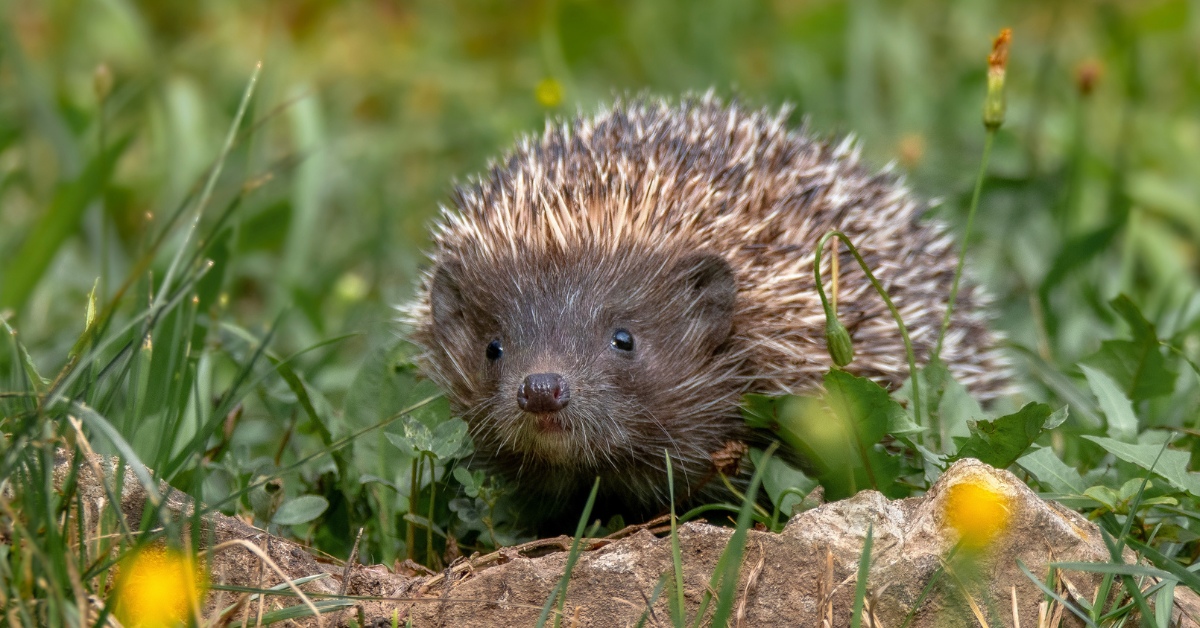
The European hedgehog illustrates perfectly this ordinary biodiversity in danger. It has been protected since 1976 and plays a valuable role in gardens by regulating insects and slugs.
But road collisions, impenetrable fences, and nocturnal robotic lawnmowers contribute to its decline.
Leaving a wild corner in your garden, limiting pesticides, and checking your yard before mowing can help local wildlife.
2026: A Biodiversity Festival More Participatory
This 2026 edition aims to transform citizens into biodiversity actors. Across France, free activities are organized: nature walks, participatory inventories, workshops, or nocturnal observations.
Citizen science also takes center stage. Thanks to apps that count birds, butterflies, or wild plants, everyone can now contribute to scientific research.
After the festival, act year-round
The Fête de la Nature reminds us that protecting biodiversity cannot be limited to a few symbolic days. Reducing pesticides, preserving hedgerows, greening cities, or supporting farming that is more respectful are concrete levers.
Because biodiversity is not mere decor: it directly shapes our food, our health, and our ability to respond to climate change.