

Around the world, people are drawn to collecting a wide array of objects, revealing psychological patterns that are often little understood. In France, the passion for amassing treasures is particularly pronounced, with eight in ten French people engaged in building collections. This enthusiasm often goes beyond mere pleasure and takes root in deep psychological and social needs.
Key Takeaways
- Collecting often helps preserve memories and maintain a link to the past.
- The quest for rare objects brings pleasure, but also a sense of control.
- Online communities reinforce a sense of belonging among enthusiasts.
- One must distinguish an organized collection from compulsive hoarding, which can become problematic.
The collector’s psychology
Collectibles are not mere possessions; they are loaded with memories and personal stories. For many, collecting is a way to preserve fragments of history and to stay connected to the past. Collectibles can represent links to historical periods, events, or cultures. Many collectors find pleasure in researching, acquiring, and organizing specific objects. Some collectibles gain value over time, so collectors may view their hobby as a potentially lucrative investment.
Motivations for collecting can also include more complex aspects such as compensating for a relationship deficit or managing existential anxiety. The act of collecting offers a kind of psychological security, by creating a sense of permanence and control over the inexorable passage of time.
Online Collector Communities
On the Internet, collectors discover a new dimension to their passion. Online platforms allow the formation of communities where members share knowledge, experiences, and rare objects, reinforcing the sense of belonging and friendly competition among enthusiasts.
The Internet has also made it easier to search for and acquire rare items, enabling collectors to pursue their goals with unprecedented efficiency. They can indeed find marketplaces or exchanges for banknotes, stamps, coins, or albums. This phenomenon globalizes the collector market and diversifies the kinds of items people collect, ranging from the oldest to the most modern.

Collecting is not only about objects. It is also a way to tell one’s story, to categorize memories, and sometimes to reassure oneself as time passes. A well-chosen collection becomes a small personal archive, where each piece recalls a time, a meeting, a journey, or an emotion.
When to seek help?
It is essential to differentiate collecting, a structured activity built around passions and interests, from hoarding, which is recognized as a psychiatric disorder marked by compulsive accumulation. Understanding this distinction helps identify when a harmless hobby crosses into an area of concern.
If there is excessive and disorganized accumulation, it may be necessary to consult a health professional. This can be the case when the pieces of the home or the workspace are so cluttered with objects that they can no longer serve their intended function. Or when collecting causes stress, anxiety, or distress when trying to part with items or refrain from adding to the collection. Likewise, it is advisable to seek help in cases of excessive spending to acquire new objects, often beyond the individual’s financial means.
Most treasured objects
- Coins and banknotes
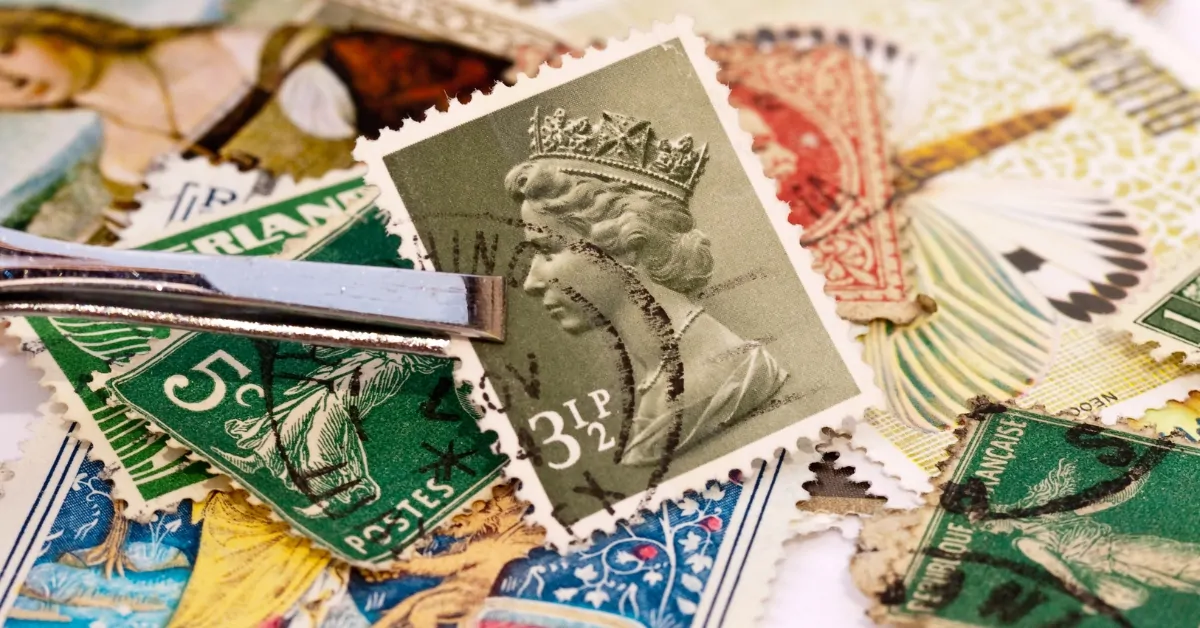
- Postage stamps
- Scale models and miniatures
- Cars, trains, planes, and collectible figurines
- Old and rare books
- Old postcards Art objects and antiques
- Paintings, sculptures, antique furniture, decorative objects
- Wine and spirits
According to a 2021 eBay x IFOP study, the average value of a collection, across all categories, is €2,718 (about $2,980). Collections of art and antiques are the most valuable, with an average estimate of €8,387 (about $9,210), followed by watch collections, valued at €4,553 (about $5,000). Although stamp collections are slightly below average (€2,705, about $2,970), they are the most numerous, totaling an average of 419 pieces. Also according to this study, in 2020 collectors spent an average of €184 (about $202) on their collections, with watch enthusiasts leading expenses at €604 (about $664). Notably, the average budget spent on online platforms was significantly higher, reaching €321 (about $353).

Ethan Hartwell
I break down everyday products to understand what they truly contain and what they imply. My goal is simple: make information clear and useful so people can make more responsible choices without complexity or unnecessary noise.