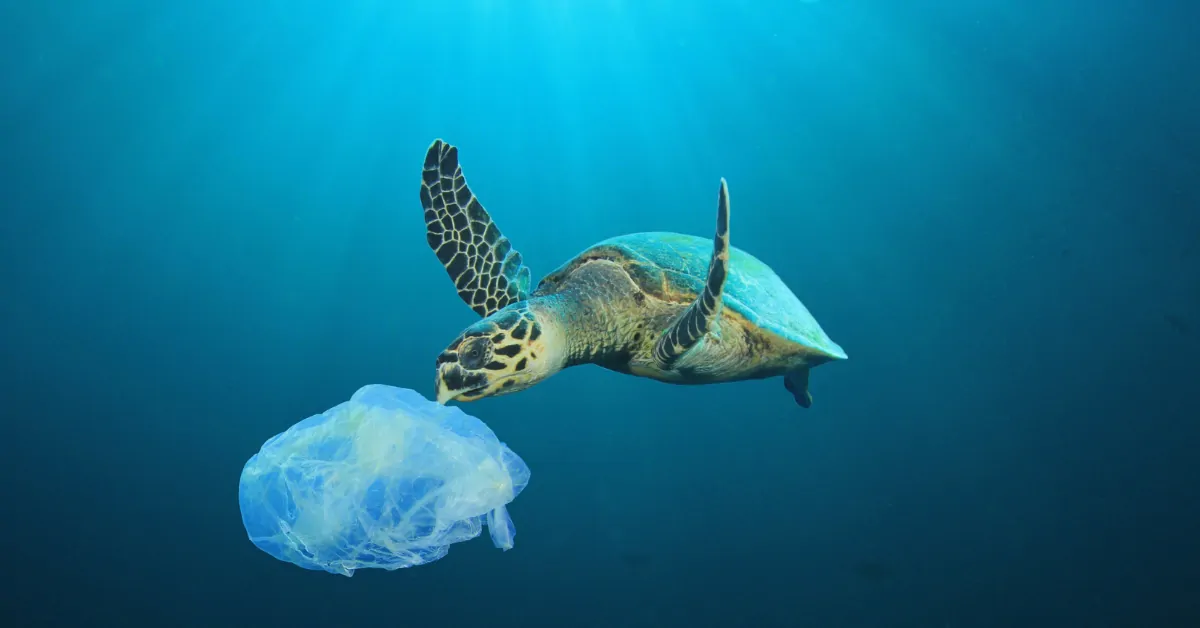
For a long time, people believed that the oceans could indefinitely absorb human waste into their depths. That was a mistake. The scale and diversity of pollution dumped into the oceans are such that we must face reality: plastics, toxic waste, hydrocarbons, sewage, nitrates, and industrial residues are gradually turning the seas into a gigantic outlet.
But the ocean is not just a postcard backdrop. It regulates climate, harbors immense biodiversity, feeds millions of people, and produces a substantial portion of the oxygen we breathe. When marine pollution advances, the entire chain of life wobbles.
What to take away
• The majority of ocean pollution comes from land, via rivers, untreated wastewater and poorly managed waste.
• Hydrocarbons pollute the seas, but they represent only part of the problem.
• Plastic breaks down into microplastics, ingested by marine life and then by humans.
• Invisible pollutants, such as nitrates, pesticides or chemical effluents, are among the most worrying.
• Reducing waste at the source remains one of the most effective levers.
Ocean Pollution: Where Do Debris Entering the Ocean Come From?
There are different types of pollution dumped into the oceans. Some originate directly from maritime activity: ships, tankers, degassing, accidents or sinkings. Others, much larger, come from land.
It is estimated that nearly two-thirds of marine pollution originates on land. It is typically carried by rivers and comes from landfills, untreated wastewater, industrial effluents, intensive agriculture, or waste abandoned in nature.
Ocean Pollution by Hydrocarbons: A Drop in the Ocean?
The 150,000 tons of hydrocarbons dumped into the oceans each year would amount to only about 2.5% of ocean pollution. The figure may surprise, because oil spills leave a strong imprint on public imagination. Yet they are only a visible part of a much larger problem.
We can add to that the ballast water polluted by cargo ships that is discharged every year. The tankers that traverse the oceans carry ballast water to stabilize the vessel. Some ships still perform degassing and ballast discharges at sea.
Illegal practice: these operations involve cleaning the tanks or the liquid cargoes at sea to avoid treatment costs at port. The result is hydrocarbon residues and toxic substances dispersing in the water, often far from prying eyes.
These discharges can be more diffuse than large oil spills, making them harder to detect, regulate, and sanction. A WWF study dating from 2000 estimated that, for the Mediterranean Sea alone, 1.5 million tons of petroleum products were dumped each year, equal to 75 Erika events.
To this is added the hundreds of ships that sink each year and go to the bottom of the seas. Their cargoes also end up leaking and polluting the marine water.
The pollution of the oceans by hydrocarbons also comes from the sky: about 200,000 tons of hydrocarbons dispersed into the air settle back into the ocean with rain.
Read next page: Oceans, invisible pollution is the gravest
- Ellen MacArthur Foundation
1 2 3