
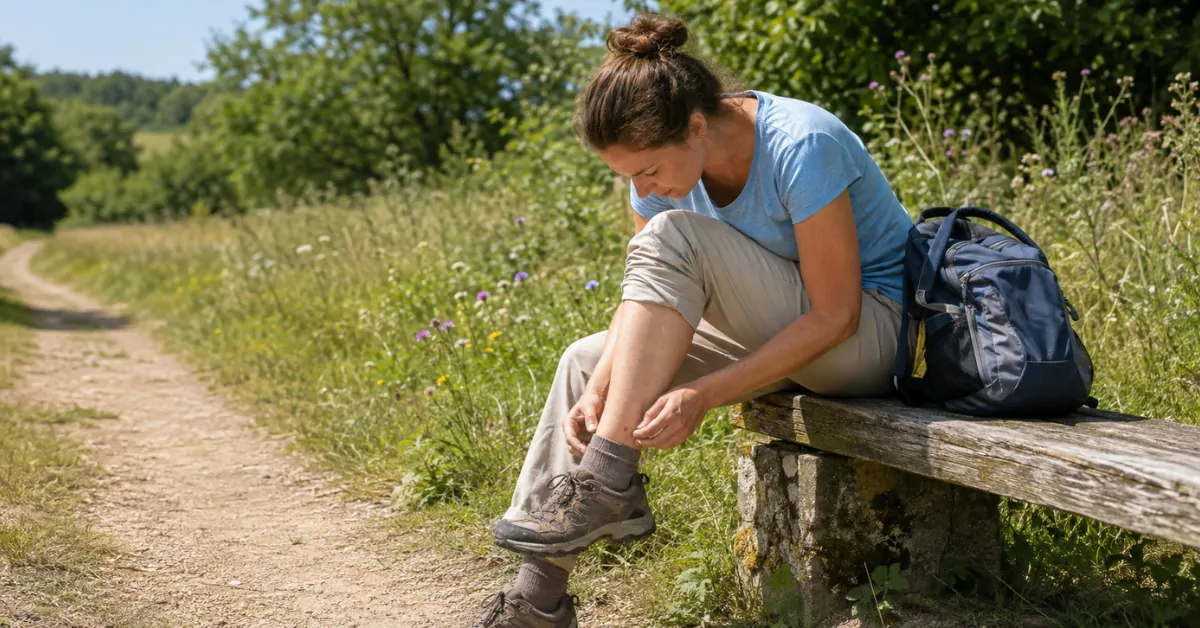
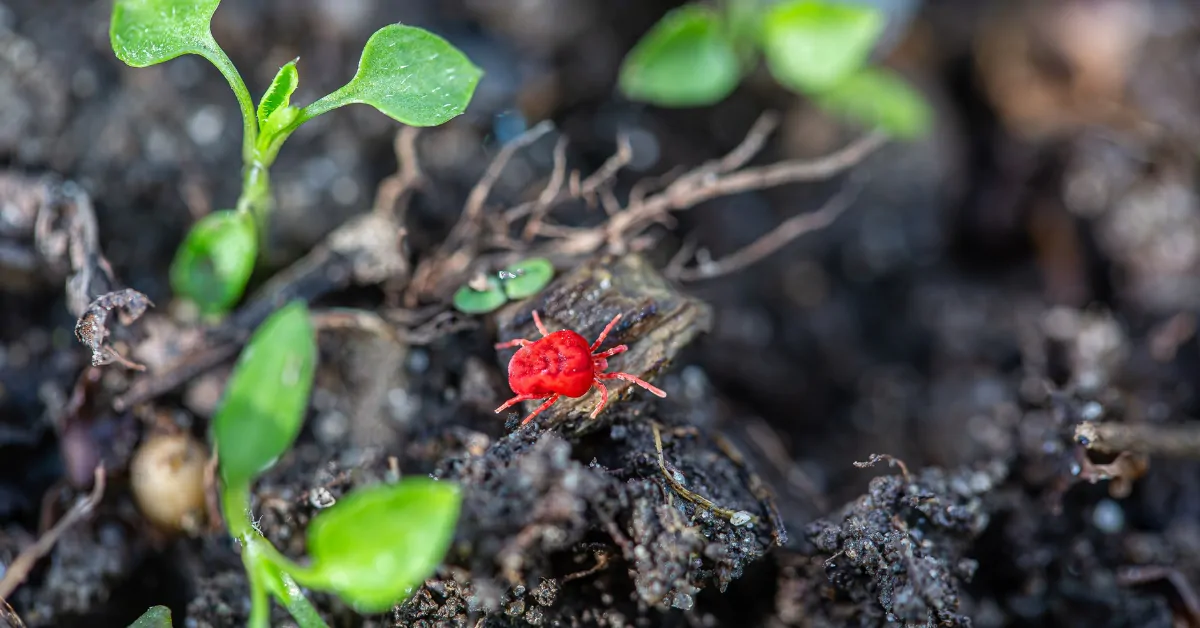
From midsummer into early autumn, a tiny threat slips into gardens, meadows, and woodlands: the chigger mite larva (Neotrombicula autumnalis). Only its larva temporarily parasitizes humans and animals. Its bites cause grouped red bumps and sometimes intense itching. Here are ten simple steps to reduce exposure risk and soothe the skin without introducing new irritants.
What to remember
- The chigger mite is a mite larva, not an insect.
- Bites mainly appear in skin folds and under tight clothing.
- Water and soap, a cold compress, and not scratching are the first responses.
- Pure essential oils and unproven remedies can irritate the skin further.
How to recognize a chigger bite?
The adult chigger mite lives in soil and does not bite. It is its larva, reddish orange and about 0.2 mm long, that attaches to the skin. It does not burrow under the epidermis: it feeds on superficial tissues after injecting its saliva.
The lesions typically take the form of small red, intensely itchy papules, often clustered or arranged in a line. They commonly appear where the skin is thin, damp, or compressed:
- behind the knees, in the folds of the elbows or at the groin;
- under waistbands and the elastic of underwear;
- above socks, around the ankles, and under tight clothing.
The itching can begin several hours after exposure and last for several days. Pus is not a typical sign of a bite: it may indicate a secondary infection promoted by scratching.
In mainland France, the common chigger is not considered a usual vector of human disease.
Prevention: 5 tips to prevent chigger bites
Tip 1 – Cover the most exposed areas
When gardening or walking in tall grasses, protect children from ticks by wearing long pants, tall socks, and closed-toe shoes. Tuck the pant bottoms into the socks if vegetation is dense. Light-colored clothing also helps spot the tiny orange points.
Tip 2 – Choose your repellent carefully
If you choose to use a repellent, pick a product that is authorized for the intended use and follow the directions for dosage, minimum age, and application conditions. Never spray a product intended for clothing directly on the skin.
Beware of essential oils
“Natural” does not mean risk-free. Pure essential oil can irritate or sensitize the skin. Its use is especially discouraged for young children and pregnant women without professional advice.
Tip 3 – Don’t sit directly on the grass
For a picnic or a garden break, use a thick blanket or mat. Avoid damp edges, tall grasses, and brush. Then shake the blanket outside, and wash it according to the manufacturer’s instructions.
Tip 4 – Make the garden less inviting
A regularly mowed lawn, cleared leaves, and less cluttered borders reduce the cool, damp spots that larvae favor. However, there is no reason to treat the entire garden: these products can also harm beneficial organisms.
Planting mint or lemon balm may be pleasant, but their effectiveness against chiggers has not been established well enough to rely on them as a protective measure.
Tip 5 – Change and wash after exposure
Upon returning from a walk or gardening, remove your clothes without placing them on the bed or sofa. Put them straight into laundry and use the highest temperature allowed by the fabric, ideally 60 °C when possible. Then take a shower with soap and water.
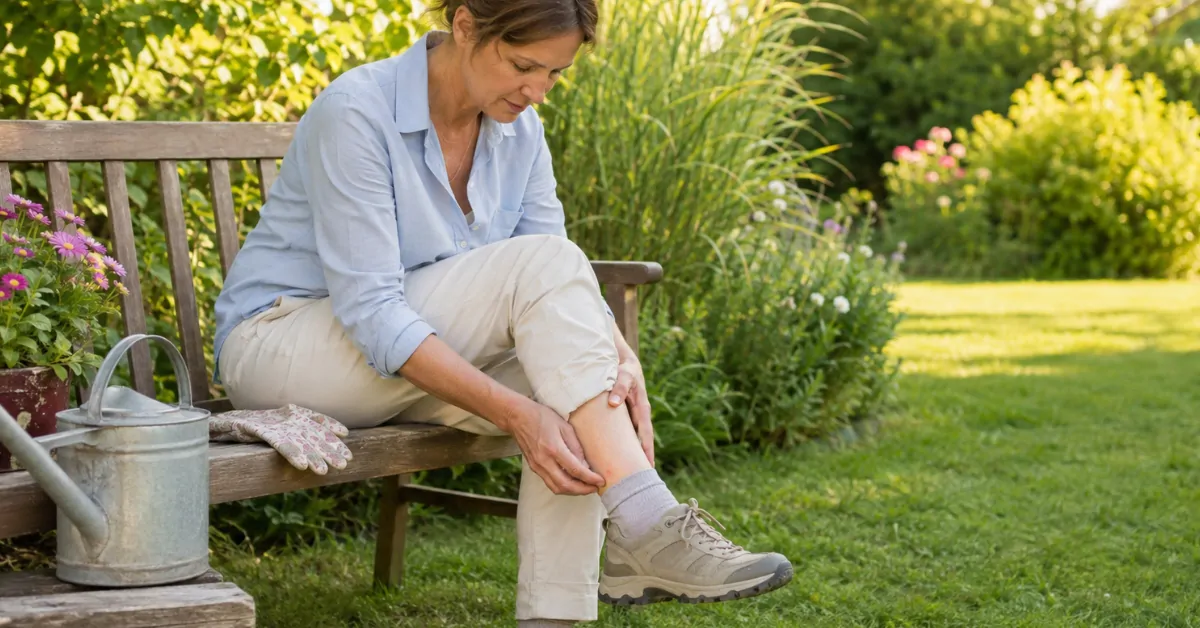
Chiggers: 5 steps to soothe itching
Tip 6 – Clean gently, not scrub
Wash the area gently with water and mild soap, then pat dry. Vigorous rubbing, a hot shower, or abrasive products can worsen inflammation. The larvae don’t tunnel under the skin.
Tip 7 – Apply cold
Apply a clean, cold compress, or a cold pack wrapped in a cloth, for 10 to 20 minutes. Repeat as needed. Never place ice directly on the skin.
Tip 8 – Use a very simple soothing care product
A calamine lotion or an unscented emollient can soothe and protect the skin. Test the product on a small area first and stop if redness or burning increases.
Avoid piling on home remedies: alcohol, vinegar, baking soda, pure essential oils, or scented blends can irritate inflamed skin.
Tip 9 – Limit scratching
Keep nails short and clean. At night, a lightweight cotton garment can help reduce unconscious scratching. This simple step lowers the risk of skin lesions and bacterial superinfection.
Tip 10 – Seek advice if itching remains intense
If these steps aren’t enough, a pharmacist can point you toward an appropriate treatment, such as an antihistamine or an anti-inflammatory cream, depending on your age, health, and other medications.
Homeopathy has not demonstrated sufficient effectiveness for treating these itching symptoms. It should not delay proper care or a medical consultation.
Harvest mites in dogs or cats: what to do?
In animals, larvae often group between the toes, in the folds of the paws, on the belly, the head, or the ears. They may look like tiny orange clusters. Repeated licking, crusts, or intense scratching should raise concern. If you’re unsure, consult a veterinarian who can confirm the presence of harvest mites and prescribe a treatment appropriate for the species, weight, and extent of the lesions.
When should you see a doctor?
Most lesions resolve on their own. However, seek medical advice from a doctor or quickly consult a pharmacist if:
- the itching worsens or does not subside after a few days;
- the area becomes very red, warm, painful, or drains pus;
- lesions are near the eyes, mouth, or genitals;
- a large part of the body is affected;
- you have fever or feel generally unwell.
Face or throat swelling, breathing trouble, faintness, or widespread hives require calling emergency services immediately (911 in the United States).
alireaussi targets= »_self » titres= »Tous les répulsifs anti-moustiques » links= »https://www.consoglobe.com/repulsifs-anti-moustique-3393-cg » alts= »repulsif anti moustiques »][/alireaussi]