September carries a touch of nostalgia, reminding us that summer is nearly over. The days get shorter, the temperatures dip, but that doesn’t mean your garden should be neglected. On the contrary, it’s the perfect time to tackle several essential tasks for a thriving garden through the fall and winter.
What to sow in September?
Fast-growing vegetables
September is ideal for sowing vegetables that grow quickly and can be harvested before the cold arrives. Radishes, for example, are perfect for filling in small gaps left by other crops. Spinach, with its frost tolerance, can also be sown this month for a harvest before the first frosts.
Leafy greens for winter
This is also the ideal moment to put in the ground leafy greens such as lamb’s lettuce and kale. These crops are not only nutrient-rich, but they can be harvested throughout the winter months, adding a welcome touch of greenery to your meals.
The September harvest
Summer vegetables
Crops such as tomatoes, zucchinis, eggplants, and peppers come into ripeness in September. Be sure to harvest them before the first frosts to maximize flavor and nutritional value.
Seasonal fruits
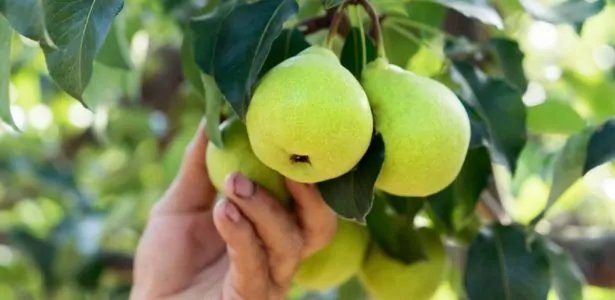
fruits like apples and pears are also ready for picking. You can enjoy them fresh, turn them into sauces, or even preserve them for later use.
Propagation of plants
Dividing perennials
Many perennials, such as hostas or delphiniums, can be divided in September. The process is fairly simple: lift the plant from the soil, split it into several sections ensuring each division has enough roots, and replant.
Propagating shrubs by cuttings
September is also a good month for taking cuttings of shrubs like forsythia or hydrangea. Take 6–8 inch cuttings, remove the leaves from the bottom third, and plant them in a mix of potting soil and sand.
Cut flowers and drying
Which varieties?
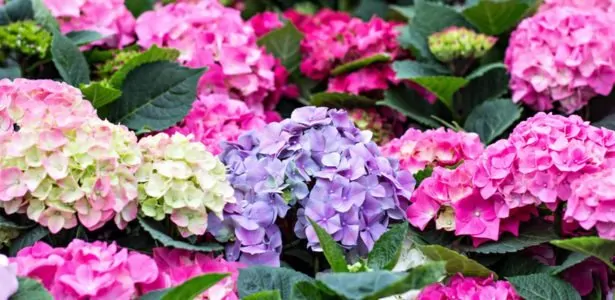
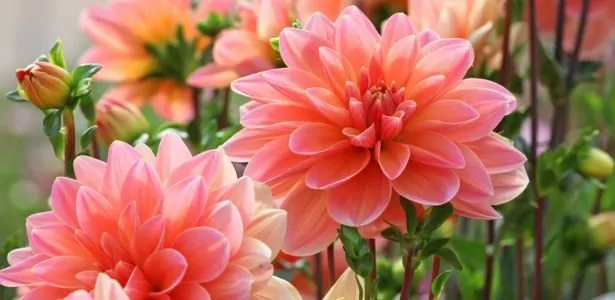
Flowers such as hydrangeas, hollyhocks, and dahlias are excellent for cutting and drying. Choose blooms that are just beginning to open and are at their color peak.
Drying cut flowers
After cutting, remove extra leaves and tie the stems together. Hang them upside down in a dry, low-light, well-ventilated spot until they are completely dried.
Harvesting plants for teas
When and how to harvest?
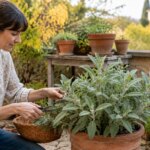
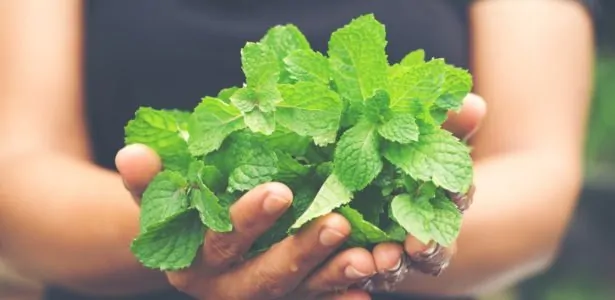
For herbs like chamomile or mint, pick a time in late morning, after the dew has dried. Use scissors or garden shears to snip the stems, taking care not to damage the plant.
Drying and storage
Spread leaves or flowers on a clean cloth in a warm, well-ventilated area. Once fully dry, transfer them to airtight jars to keep.
Soil care and fall preparation
Fertilization
September is the right time to enrich your soil in anticipation of the coming season. Use a fertilizer rich in phosphorus and potassium to strengthen the roots of your plants before winter. You can also mix in well-decomposed compost to improve soil structure.
Mulching
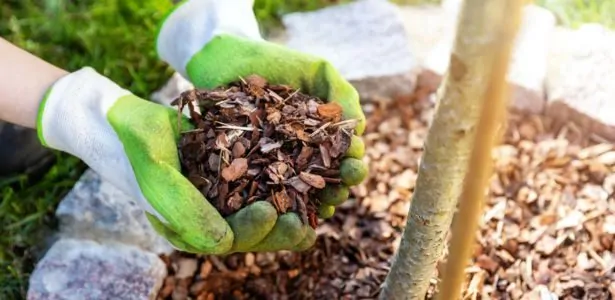
Mulching is essential to protect soil and plant roots from the cold ahead. Use organic materials such as fallen leaves, straw, or compost to blanket the base of your plants.
Preserving harvests
Storing root vegetables
Root vegetables like carrots and beets can be stored for winter use. Harvest them and keep them in a cool, dark place, buried in damp sand.
Freezing and canning
Take advantage of the abundance of vegetables and fruits to can, make jams, or freeze your harvest. It will let you enjoy homemade produce throughout the winter.
September, therefore, is not just a month of transition, but also a time rich in gardening activities. From soil preparation to harvest, and from plant propagation to preserving herbs for teas, this month lets you reap the rewards of your efforts while laying the groundwork for the year ahead!
Read also
9 herbs to plant in autumn for a winter full of flavor