
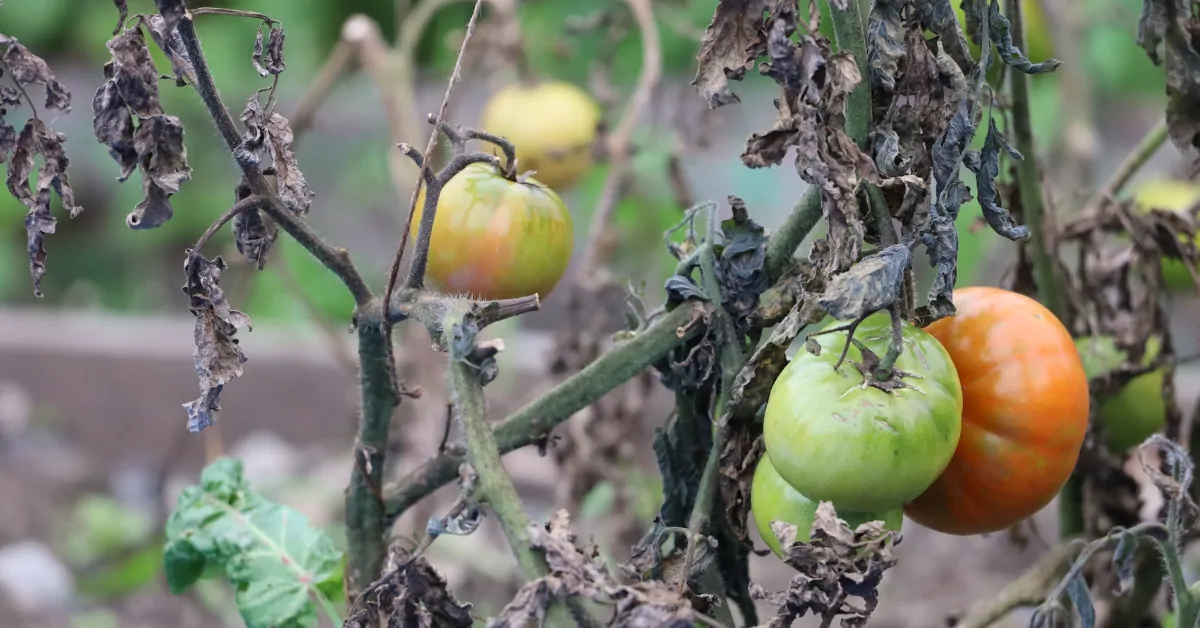
The art of the vegetable garden is all too often put to the test by harsh conditions: when it isn’t rain or frost, it’s the intense heat that harms plantings. Because extreme temperatures mean surface scorching, soil drying out, and ultimately roots suffering, with the possibility of killing the most fragile plants. Some smart habits can, however, limit damage to the vegetable garden.
How to protect your vegetable garden from the heat?
To shield the vegetable garden from heat, there’s nothing better than mulching! A technique that involves covering the soil around plants with organic or mineral materials designed to slow the evaporation of soil moisture. Several mulch options exist: pine bark, fallen leaves, ferns, plant residues, but also clippings from the lawn.
Ideally, mulch should be at least 10 cm (about 4 inches) high to be as effective as possible. Caution, however: not all mulches are suitable for heat. Slate mulch is best reserved for cold periods. In summer, it’s better to apply a light-colored mulch to reflect the sun’s rays.
Finally, avoid watering your vegetable garden between 10:00 a.m. and 5:00 p.m., because the stomata of the plants aren’t fully open yet to allow water to penetrate properly. Moreover, water evaporation is much higher, so the watering will be far less effective. And don’t forget the magnifying-glass effect of water droplets on leaves, which can contribute to sun damage. Our tip: water very early in the morning or in the evening.
Note: if you’re using well water, or city water, prefer watering in the early morning so as not to create a thermal shock to the roots. If the water is too cold and your plants have been exposed to high heat all day, shifting from hot to cold can be destructive. Evening watering should ideally use tepid water.
Even with optimal watering, extreme heat may still require protecting the plants from the sun. Two approaches work: if your plantings are not tall, you can try laying inverted crates over them. They will shield the plants from the sun while still allowing air to circulate.
If your plantings are already well established, install shade structures to protect them from the sun’s harsh rays. You don’t necessarily have to buy them. A few posts and large pieces of fabric will do the job!
Also remember to hoe your soil regularly, so the soil can breathe better during a heat wave. Water will also penetrate more easily into the soil.
One last tip to shield the garden from heat: use of ollas, or clay irrigation pots. You can even make them yourself, as explained in this tutorial. Ollas slowly water your plants, delivering only what the soil needs to avoid drying out. Practical, ollas also allow you to be away for a few days without worrying about irrigation.
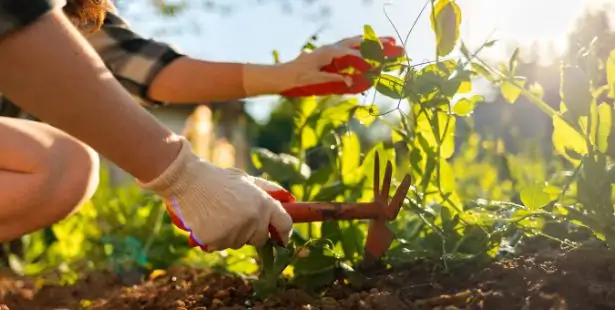
Container gardening on a balcony or terrace: special precautions against heat
Plants in planters, pots or balcony boxes are particularly prone to drying out, much more than those planted in the ground. Indeed, their roots have less space and can’t sink deeper to reach soil moisture. Depending on your balcony’s orientation, your plants will need very regular watering. In case of intense heat, you may have to water daily, especially if your balcony faces south.
Like in a garden, watering in the middle of the day isn’t advised. Prefer delivering water to your planters early in the morning, or in the evening (tepid water in that case).
On balconies and patios, you should also mulch your plantings to preserve soil moisture as much as possible. If you can, group your pots in the least sunny corner, ideally in shade for much of the day.
You can apply the same tips as for protecting a garden bed: protect your plantings with inverted crates to filter the sun, or install shade sails. You can also use ollas, sized to fit your planters. Finally, hoe the surface of your plantings regularly as well.
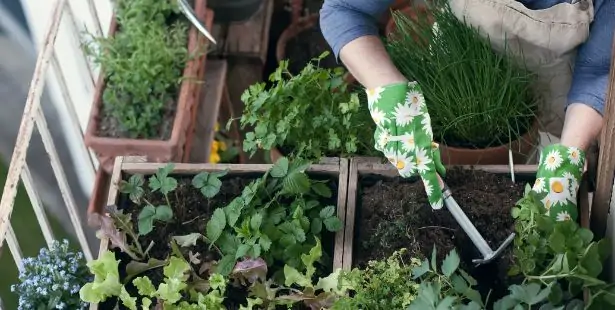
Watering the vegetable garden during water restrictions
During periods of intense heat that stretch on, water restrictions may be imposed. You’ll need to have already planned a natural water collection solution, such as rain barrels. Some models hook directly to the gutter, others connect to it. It is possible to install these on a balcony as well, but you’ll want smaller models than those used in a full garden.
If you’re caught off guard, you can collect shower water. Just wait for it to cool and, if possible, use natural or biologically friendly soaps or gels when washing.
You can also reuse water used to wash and cook vegetables, as well as the cooking water from rice and pasta.