
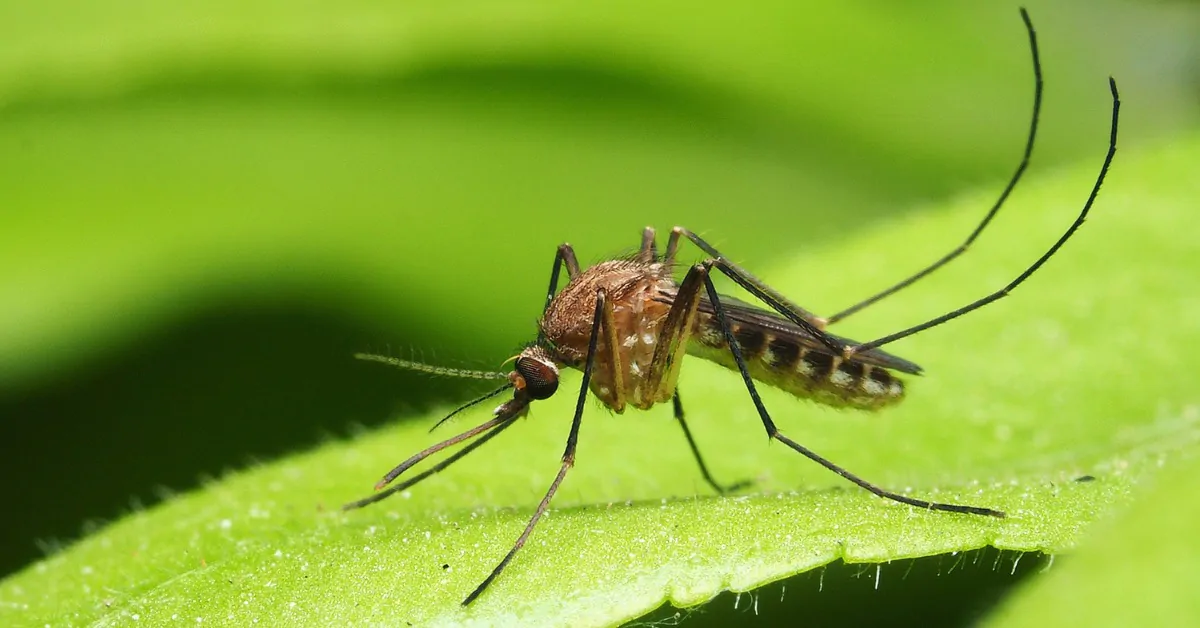
In the global ecosystem, the mosquito is often seen as the most useless and vexing creature there is. But the story goes deeper than that…
The mosquito has an ecological role
A summer scourge in France as elsewhere, and a vector of deadly diseases such as malaria around the world, the mosquito is directly responsible for hundreds of thousands of deaths each year. Yet, scientists remind us that this insect sits squarely within a complex trophic network. Its complete eradication could trigger unpredictable consequences for environmental balance.
The mosquito’s primary ecological role lies within the food chain. In the larval stage, they feed fish and amphibians, while the adults provide an abundant food source for birds, bats, or lizards. While some mosquito-control programs downplay their importance by arguing that predators prefer more nutritious prey, many experts contend that the disappearance of mosquitoes would adversely affect insectivorous wildlife populations. To better understand this dynamic, explore our dossier to learn what mosquitoes are for and their real utility in nature.
Minor pollinators
Another fundamental aspect, though little known, of the mosquito’s existence is its involvement in pollination. Indeed, mosquitoes are pollinators. Contrary to popular belief, they feed primarily on nectar and other plant-derived sugars. Blood meals are reserved exclusively for females to develop their eggs. And if you feel like you’re their frequent target, know that your blood type can influence bites and help explain this summer injustice! By foraging for nectar in this way, both males and females carry pollen and thus actively contribute to the reproduction of flora.
Nevertheless, the importance of this function divides the scientific community into two camps. On one side, some researchers view mosquitoes as minor and inefficient pollinators compared with bees. They even label these insects as simple “nectar thieves” visiting mostly wild, inedible, or human-unrelated plants. Moreover, scientific research has long neglected this aspect in favor of focusing on health issues related to disease transmission.
No selective insecticide
Conversely, recent studies tend to rehabilitate the mosquito’s ecological role. Experiments conducted in the United States have shown that certain species, such as mosquitoes of the Aedes genus, are strongly drawn to the fragrances of wild orchids and prove to be excellent pollinators for these flowers. For these biologists, the mosquito’s contribution to the survival of certain plant ecosystems is widely underestimated and deserves deeper investigation.
In the face of nuisances, the idea of eliminating only the species dangerous to humans runs into technical and ethical limits. Of the roughly 3,500 counted mosquito species, only a tiny minority bite humans. And there is no selective insecticide capable of targeting them precisely without harming others. Experts therefore recommend regulating nuisance to an acceptable threshold rather than pursuing extermination. To coexist more peacefully without polluting, you can apply natural tips and practical guides against mosquitoes to protect your home effectively. Simply because each species has intrinsic value, even if they don’t present an immediate utility for humans.
Special dossier – A Summer Without Mosquitoes